01 October
Meet Neils
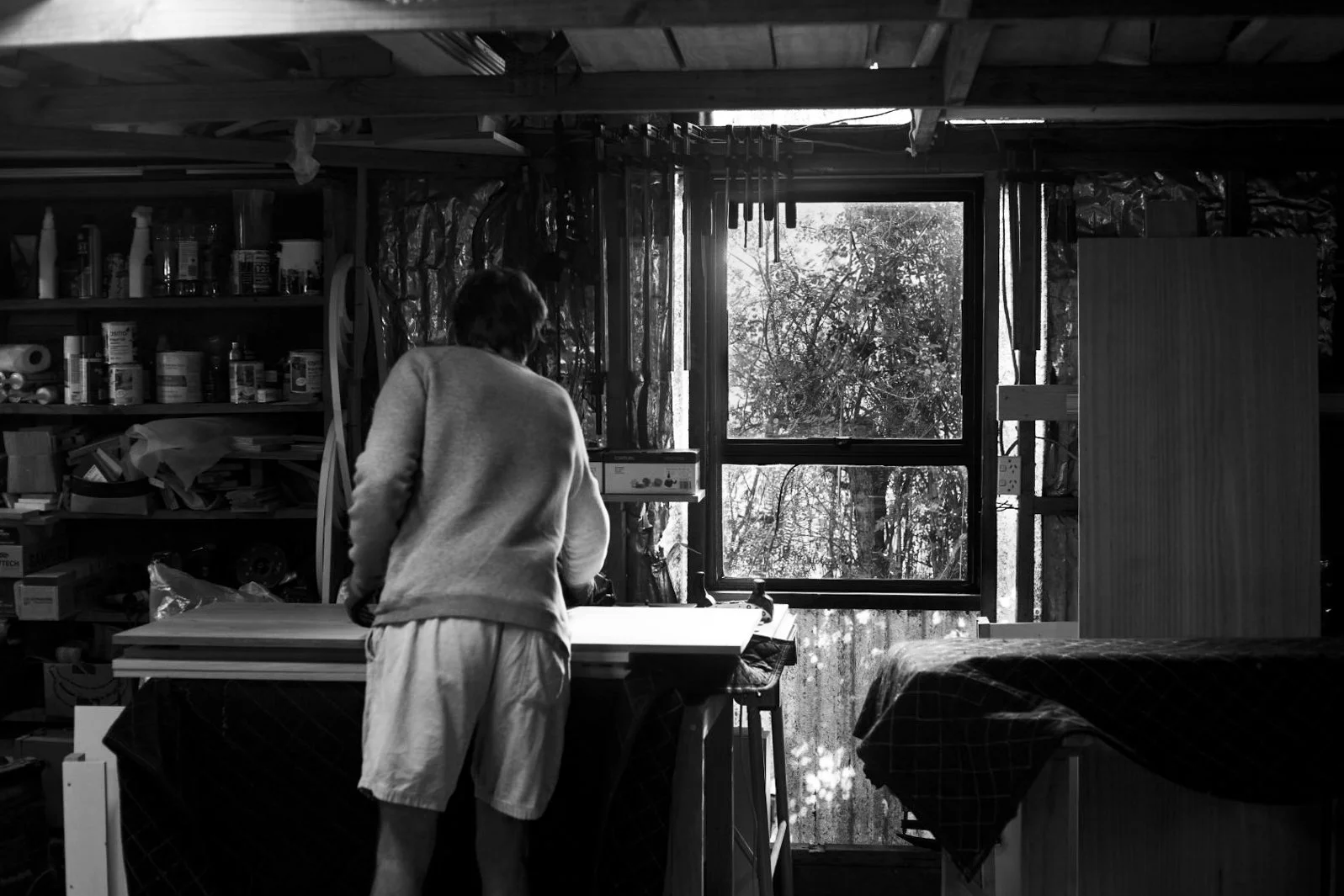
25 years of craftsmanship, from boat interiors to the Nomadic workshop
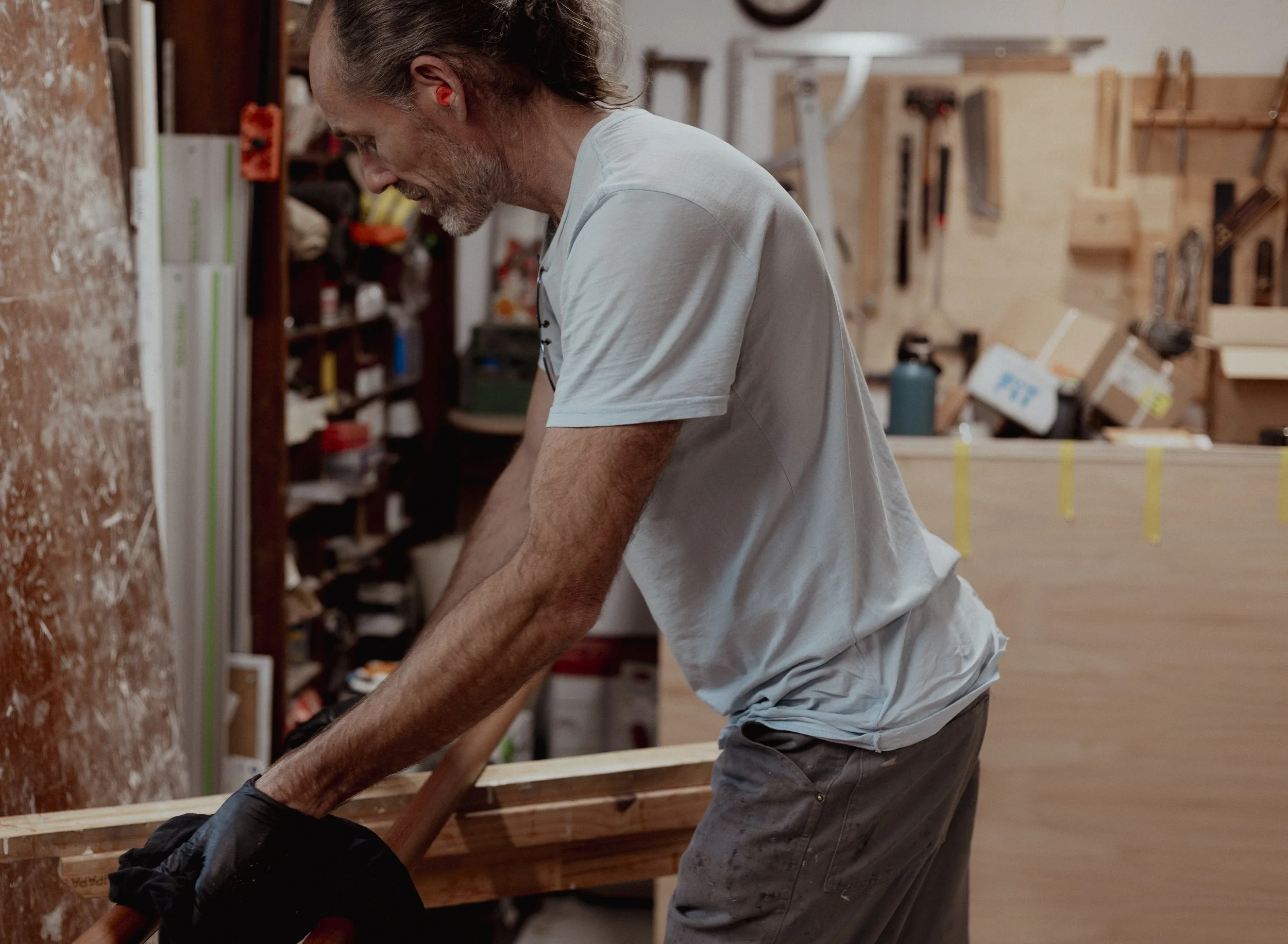
Introducing Niels
With 25 years of experience in boat interiors, including time working for Feadship in Holland, Niels brings a refined level of craftsmanship to the Nomadic Design workshop.
Originally from Holland, Niels moved to New Zealand in 2013 and has since built a life here that is very much his own — a piece of land, his own workshop, a house he is building himself, and plenty of trees he has planted along the way.
There’s always something we’re learning from Niels. He has a particular skill for creating unique, hand-built pieces, and he enjoys the challenge of working out how something can be made, rather than simply putting it through a machine.
We sat down with him to find out a little more about his background, his approach to making, and what brought him to New Zealand.
Tell me about the job you worked on for Steve Jobs.
“Steve Jobs — the job that he never got to see (dying before the boat was finished). There were four big cabinets, wardrobes with 100mm-thick doors, and I made those ones. It had this crazy long hallway with a glass-bottom jacuzzi, which you could look up at from the hallway. It was pretty wild, haha”.
What do you love about the work?
”The difficulty is thinking about the design and how to produce it in the time required. You can make anything if you have enough hours, but it’s always a challenge to make it as good as you can within the amount of time you have.
I love that challenge — trying to figure things out. Sometimes it’s difficult, but that’s part of what I enjoy about the craft”.
When did you make the move to New Zealand?
“I came to New Zealand in 2013”.
And how does it feel to have been here for so long now?
“I’m very happy. I wouldn’t go back to Europe. I’m settled here.
I have my beautiful land, I’m building my own house, growing lots of trees, and I have my own workshop. I would never have that in Holland. It’s fantastic.
I’ll be in this house as long as possible.
One of my passions is creating wood for the next generations. I’ve been using wood all my life, and I don’t see much being planted.
I want to leave the world greener behind.
When I got here, I planted lots of trees am I’m still planting with the hope that they will grow for years and maybe become usable. But I’d rather just see them get old. Just leave the world a bit more beautiful than how I found it”.
What do you enjoy about working with us?
“I enjoy the craftsmanship that’s needed to complete smaller-scale projects. There’s an amount of handywork involved, and a lot of thinking to get to the right end result.
It’s not all chewed out by CNC. It’s not like being part of a machine. It’s the whole process” .
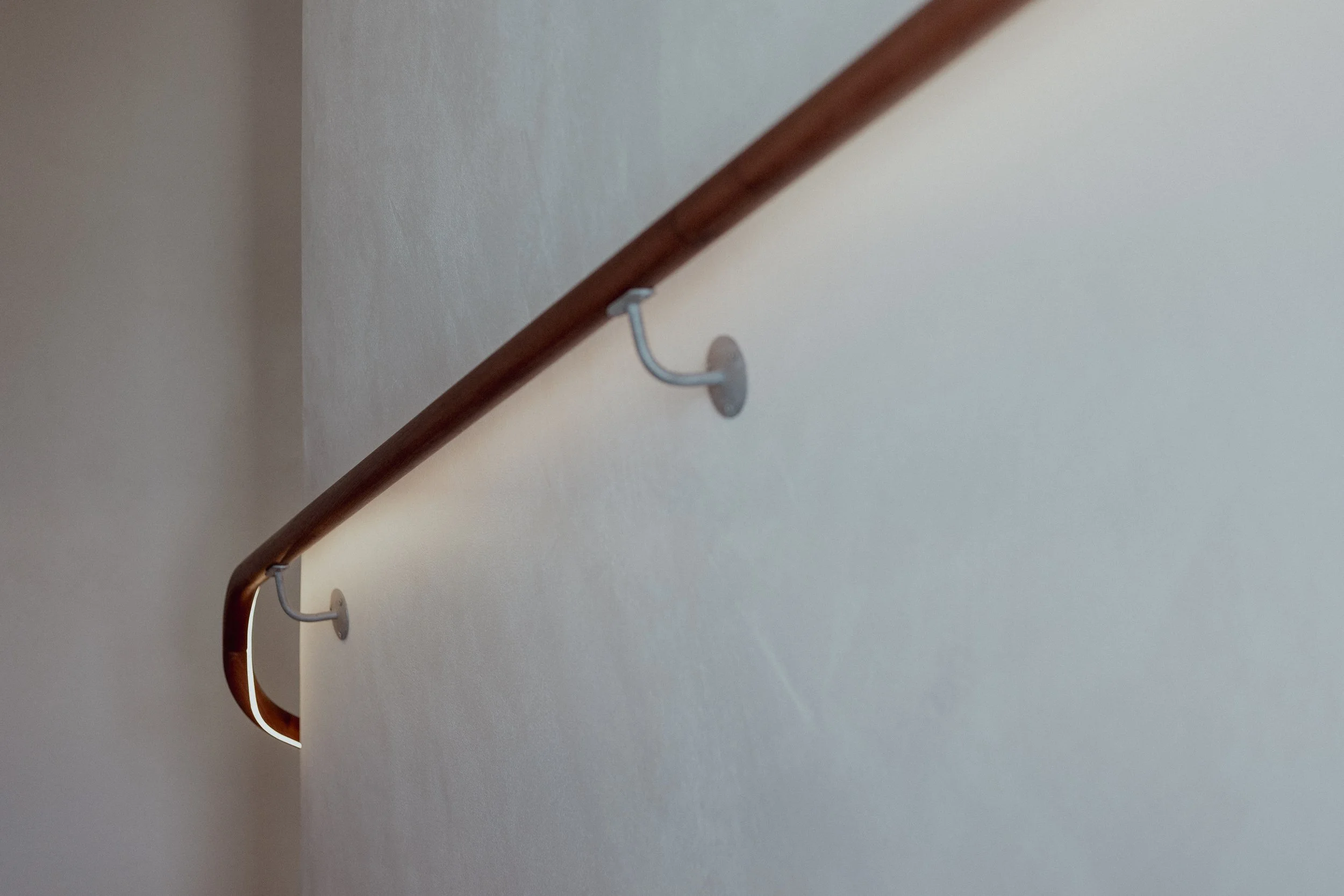
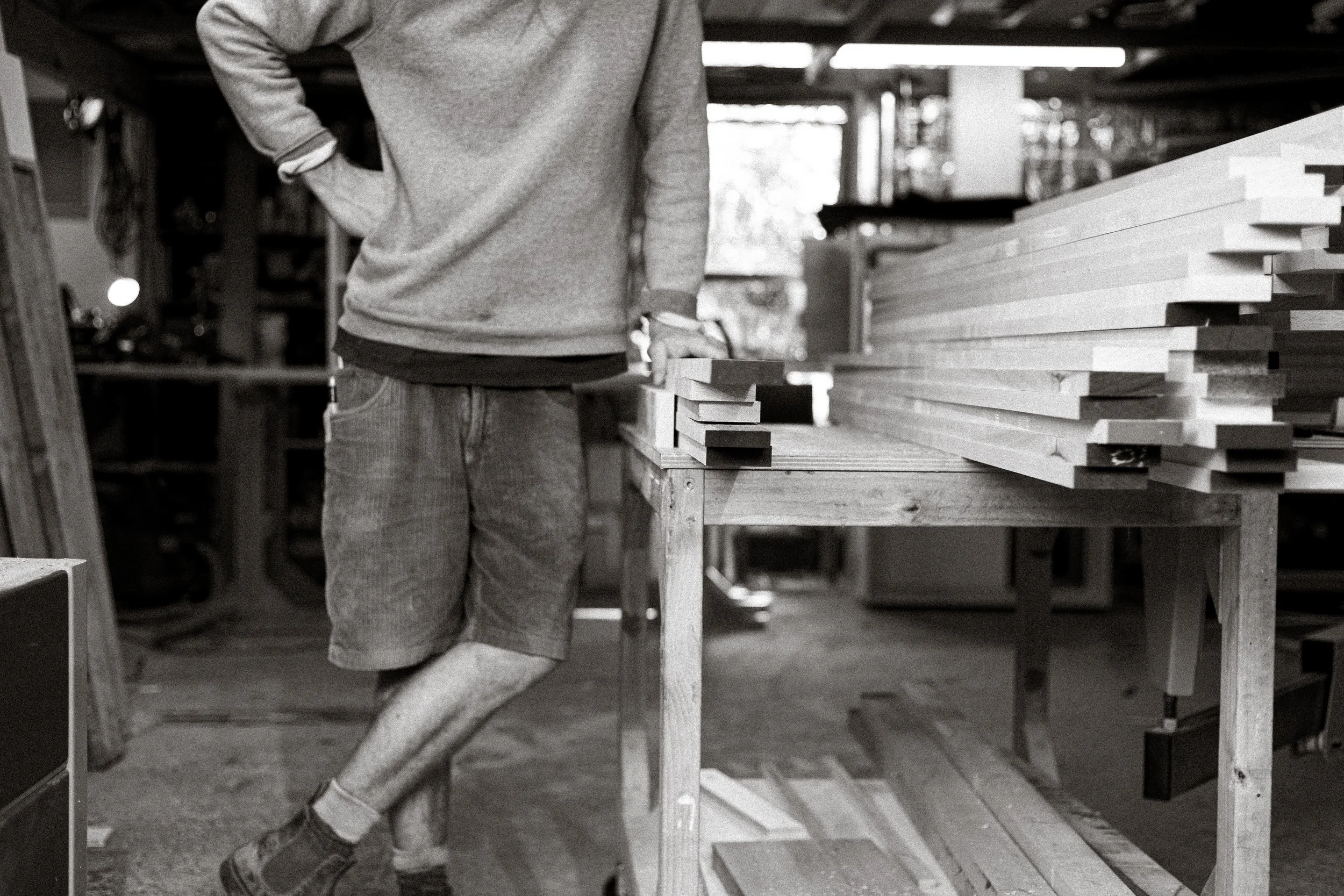
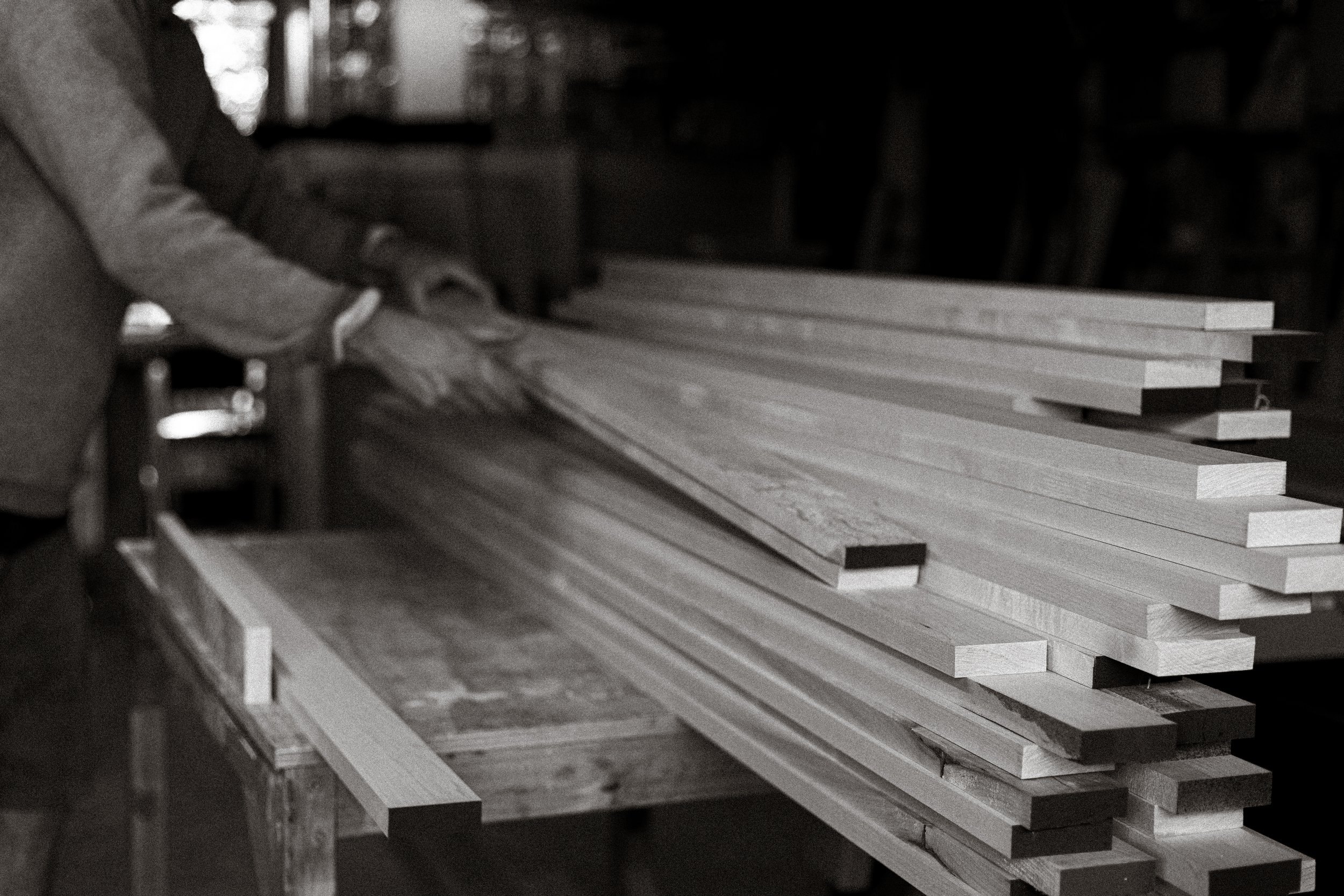
From a length of locally grown kanuka, Niels recently hand-built a 4.5m rail with an integrated LED light for one our clients
A Kanuka Rail, Made by Hand
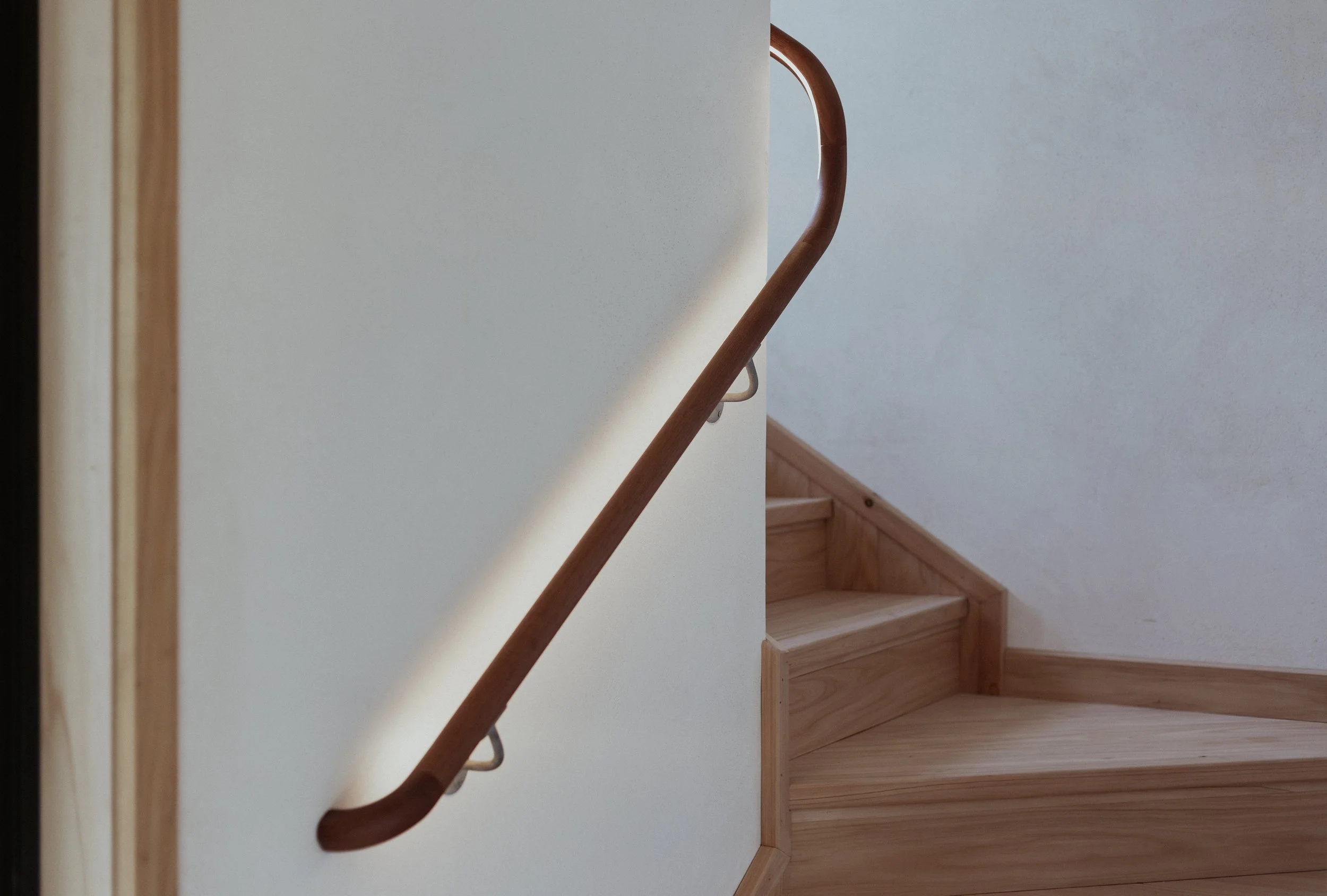
“It’s a relatively simple piece at first glance, but it’s the kind of work where the details make all the difference. The rail was made mostly by hand, with the middle curve presenting the biggest challenge. Getting that curve smooth, while also working out how the join would come together, required a bit of thinking before the making could begin.” As Niels puts it, he worked out in his head how he would make it — and then it came to life.
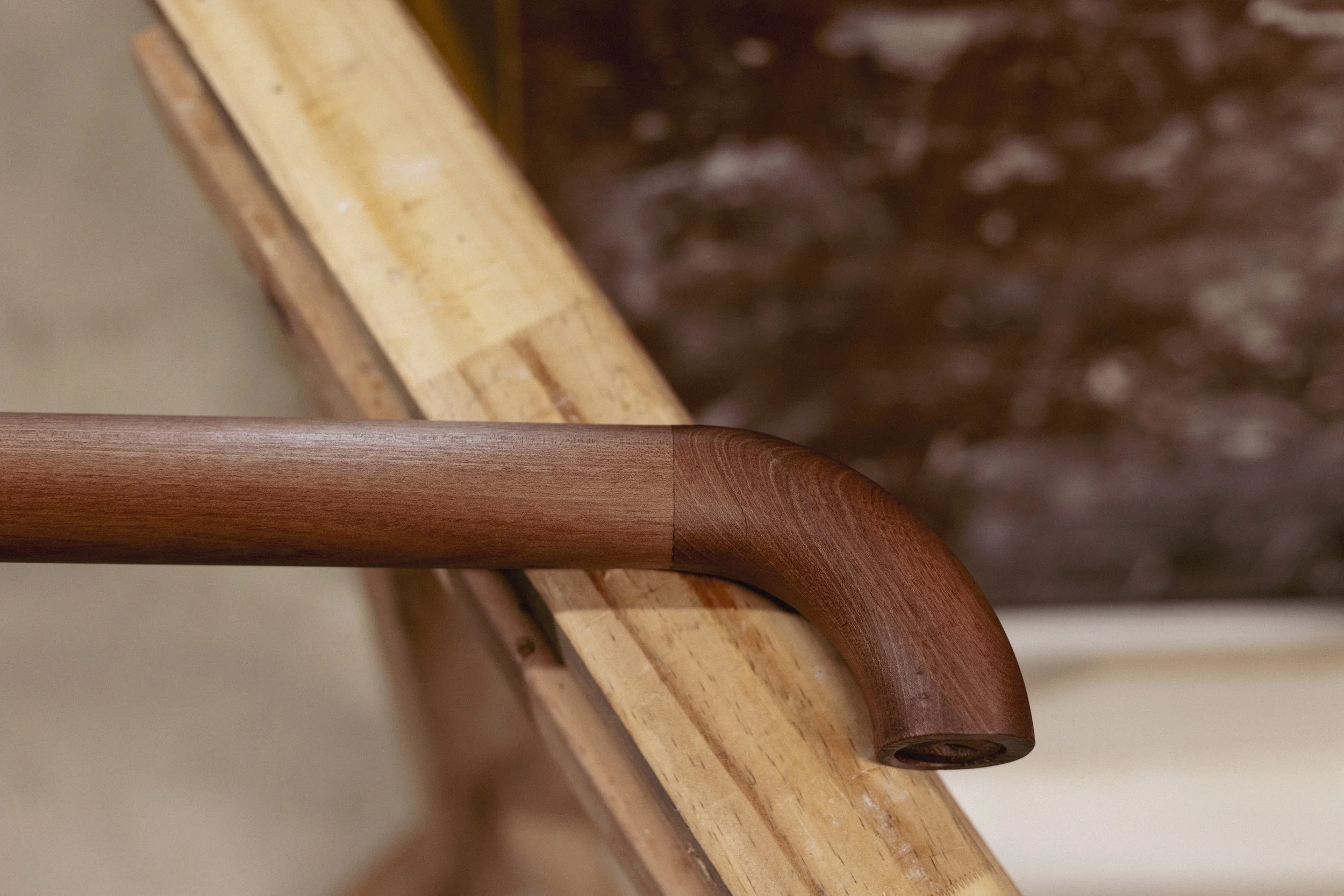
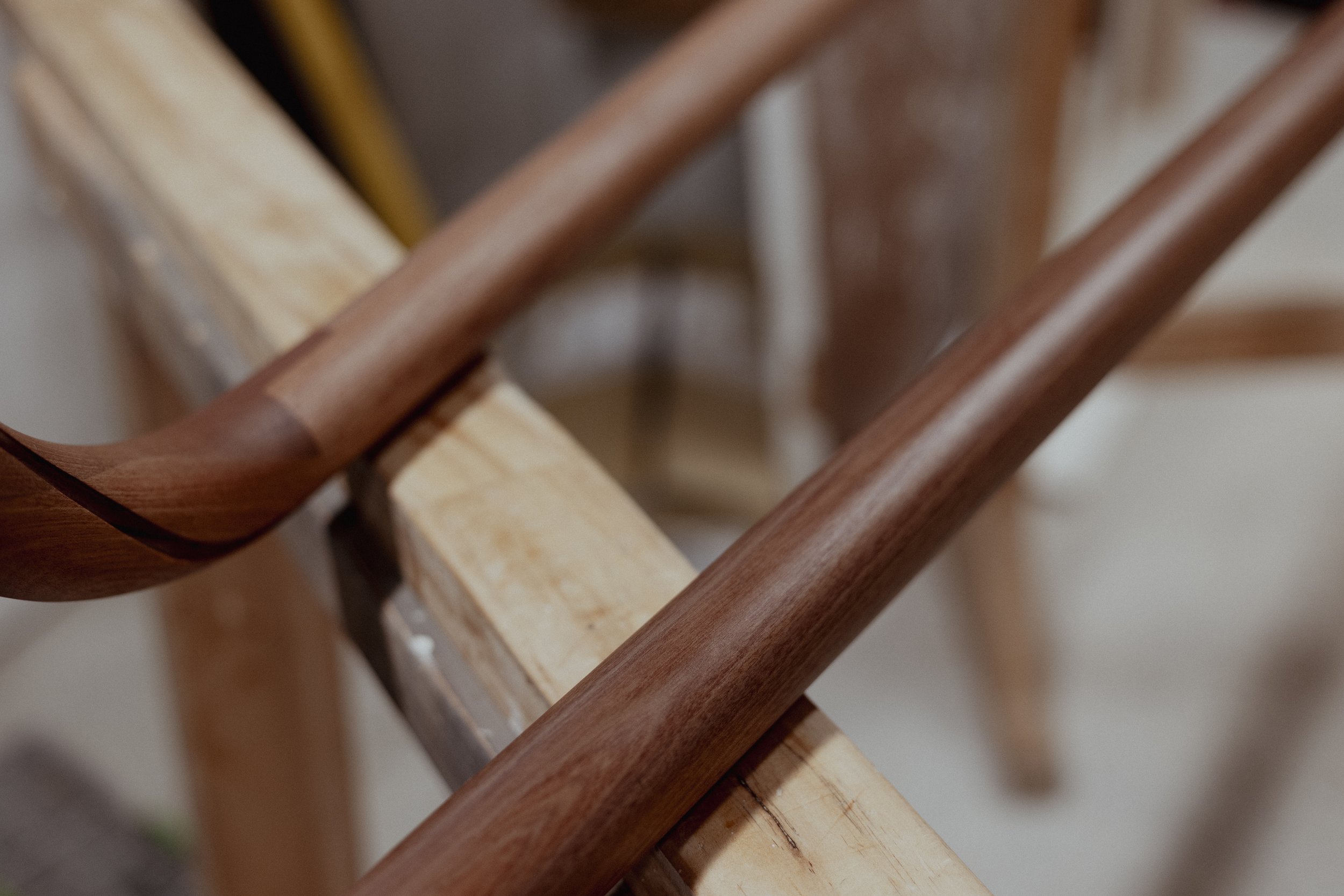
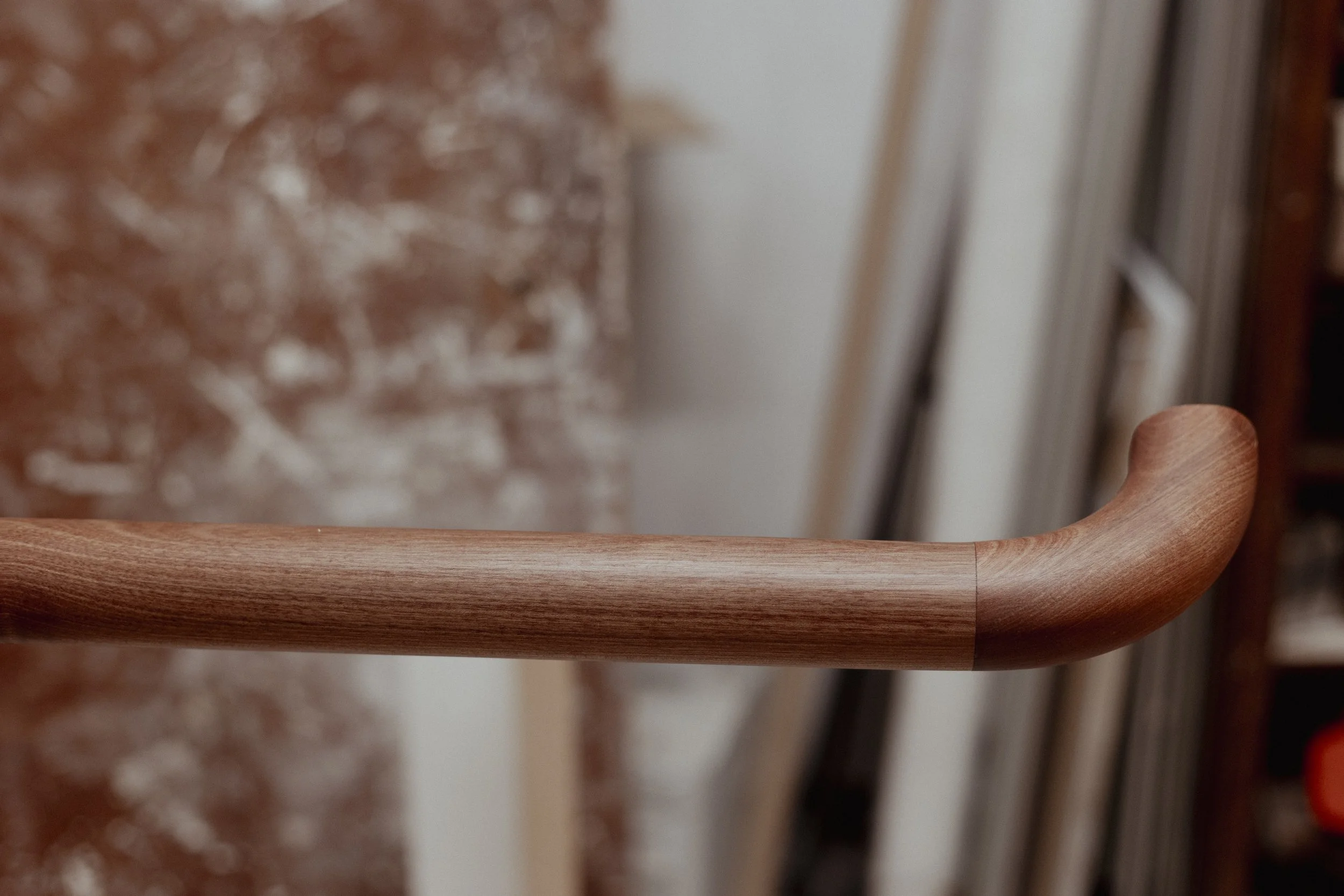
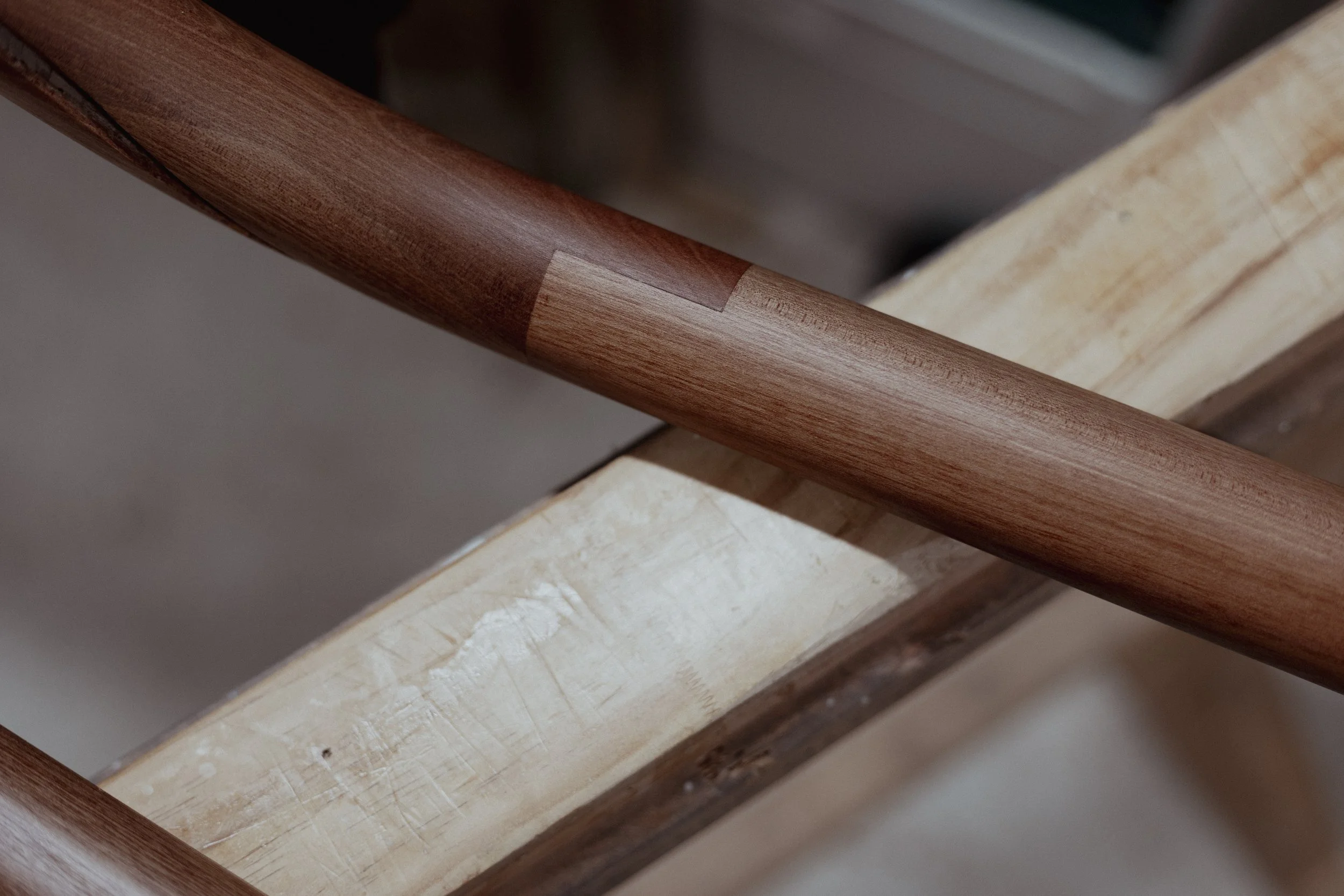
That’s something we really value about having Niels in the workshop. There’s a depth of experience behind the way he approaches a piece. He can look at a form, work out how it needs to be made, and then bring it together through a combination of experience, precision and hand work.
Made from locally grown kanuka, the finished rail has a quiet simplicity to it — a beautiful piece of timber shaped carefully by hand for its new home in Kaitaia.
01 September
MAKING SPACE FOR INSPIRATION
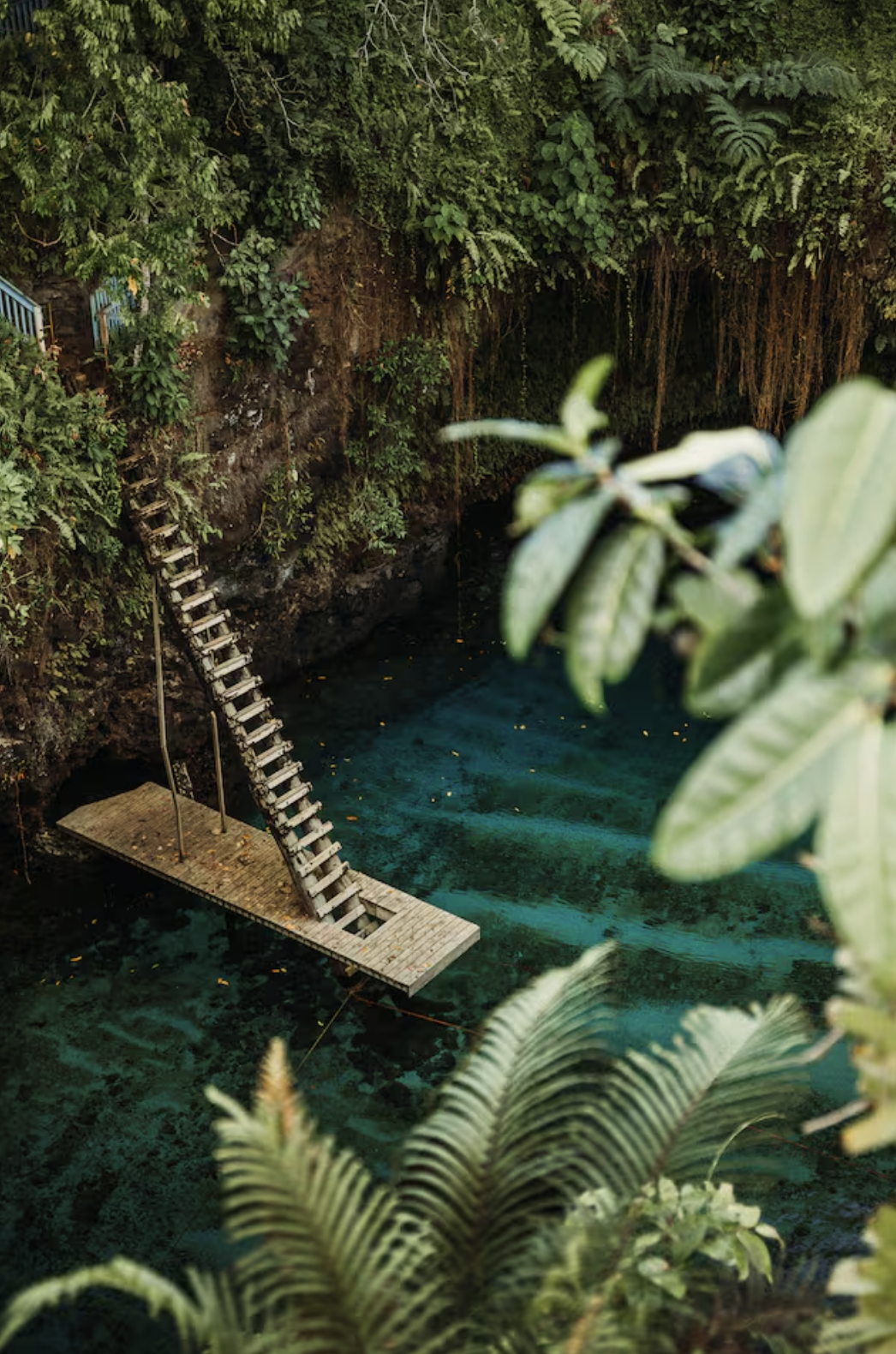
It’s been a full year for our little family and our workshop, and lately we’ve been looking forward to something that has nothing to do with timber, tools or the next project on the list — a bit of time away together.
In a few weeks, we’re heading to the pacific islands for a family holiday. After a busy stretch of work and family life, we’re looking forward to slowing right down, spending time together, swimming in the ocean, exploring somewhere new and having some days where there’s nowhere we need to be.
We’ve never really subscribed to the idea of working hard simply so we can work harder. For us, having enough space to rest, enjoy ourselves and be present with our family is actually part of doing good work. It gives us the chance to step away from the day-to-day, clear our heads and come back with a bit more energy and perspective.
We find that some of our best ideas come when we’re not actively trying to think of them. A change of scenery, a little breathing room and time spent doing things completely unrelated to work can be surprisingly good for creativity.
So for a couple of weeks, the tools will be quiet, the workshop will be closed up and we’ll be swapping sawdust for sand.
And when we come home, we’re looking forward to getting back into the workshop feeling rested, inspired and ready for what’s next. Watch this space for incoming travel content ;)
until next time…
01 August
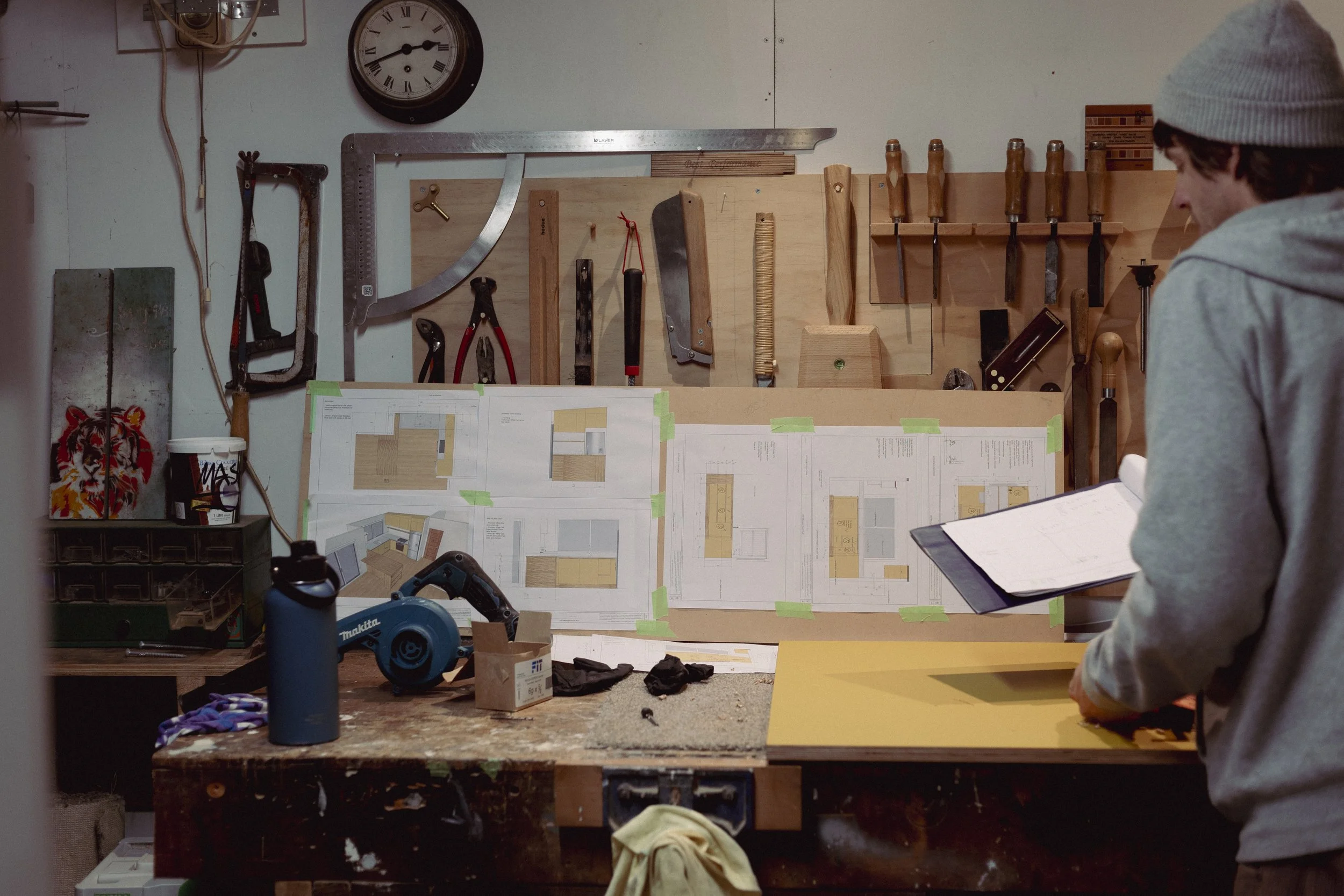
BEFORE WE DRAW A SINGLE LINE
We get quite a few enquiries about kitchens, and while every project is different, the beginning of the process is often surprisingly similar.
There’s usually a house, a lot of ideas, and someone trying to work out what they actually want from their new kitchen.
So where do we start?
Usually, with a conversation.
The first conversation is less about designing and more about getting a feel for the project. We talk about the space, how it’s used and what isn’t working. We talk about what they like, what they’re drawn to and what they want the new kitchen to feel like.
Materials often come into the conversation too — natural timber, stone, colour, texture and how those things might sit within the wider home.
There’s also a little bit of back and forth about who we are and how we work. It’s a chance for people to get a feel for Nomadic Design, and for us to understand what’s important to them.
We also talk about budget. It’s an important part of the design conversation, and having an idea of what someone wants to invest helps us make the right decisions from the beginning. There are so many variables when it comes to a kitchen, so understanding the budget gives us a framework to work within.
Sometimes people know exactly what they want. Sometimes they have a few ideas, but aren’t quite sure how to bring them together. Both are useful starting points.
Once we have a good understanding of the space and the brief, we start drawing. The kitchen is developed in 3D, which gives us a much better sense of the proportions and details and, importantly, gives the client something they can respond to.
From there, there is usually some discussion and refinement. The aim is to get to a point where the design feels resolved — where the layout, materials, details and budget all make sense together.
Once everything is agreed, the kitchen can move into production.
Before we draw a single line, there’s already been a lot of thought and conversation about the kitchen.
01 July
GATHERING AROUND THE FIRE
Matariki, Fire & Finding Warmth
As winter settles in and the season of Matariki draws to a close, we've found ourselves moving a little more slowly this season. While the stars have begun to fade from our morning skies, the reflections Matariki invites - remembering those who are no longer with us, honouring where we've come from, and looking ahead with quiet intention, are something we're carrying with us through the rest of winter. It reminds us that even in the darkest part of the year, there is light to guide us.
Like many families, this year has held moments of both deep joy and quiet grief. We've been carrying those experiences gently, finding comfort in the simple rituals that bring us back to ourselves—sharing meals, gathering around a fire, walking in nature, and taking time to simply be together.
In a world that often asks us to keep moving, Matariki offers something different. It gives us permission to slow down, reconnect with the people we love, and find warmth in the moments that matter most.
This season, we're embracing that spirit - celebrating new beginnings, honouring cherished memories, and finding gratitude in the small, everyday moments that light the way through winter.
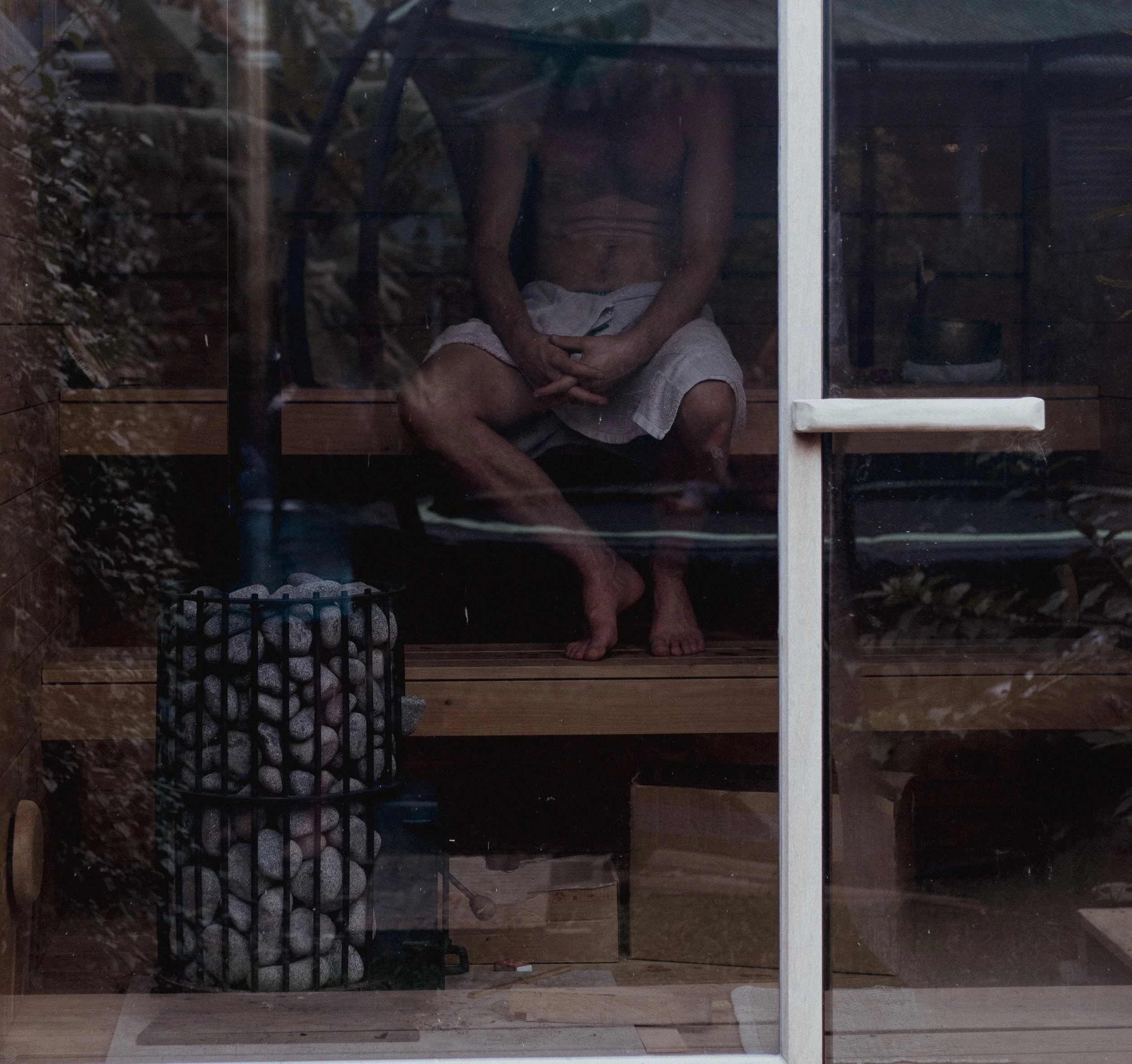
One of the unexpected highlights of this winter has been embracing regular sauna sessions. There's something beautifully grounding about stepping into the warmth while the air outside is crisp and cold. The heat softens tired muscles, quiets busy minds, and reminds us that warmth isn't only something we feel physically - it can also be something we create through connection, presence, and care.
Momo has become quite the sauna regular too. After long days in the workshop, there's something fitting about watching a cabinetmaker swap the warmth of timber and tools for the warmth of the sauna. It's become one of our favourite winter rituals - a simple reminder that looking after ourselves is just as important as looking after the things we create.
Whether we're designing a home, a space to gather, or helping bring someone's vision to life, it's never just about the building itself. It's about creating places where people feel safe, connected, inspired, and able to make memories that last for generations. The spaces we inhabit quietly hold our stories - the celebrations, the everyday moments, the people we love, and those we carry with us in memory.
As we move through the Māori New Year, we're feeling especially grateful for our family, our community, our wonderful clients, and everyone who has supported Nomadic Design along the way.
May this season bring you moments of warmth, time with those you love, and space to reflect on what matters most.
Mānawatia a Matariki.
From our whānau to yours,
The Nomadic Design Family
01 June
A NEW CHAPTER IN THE WORKSHOP
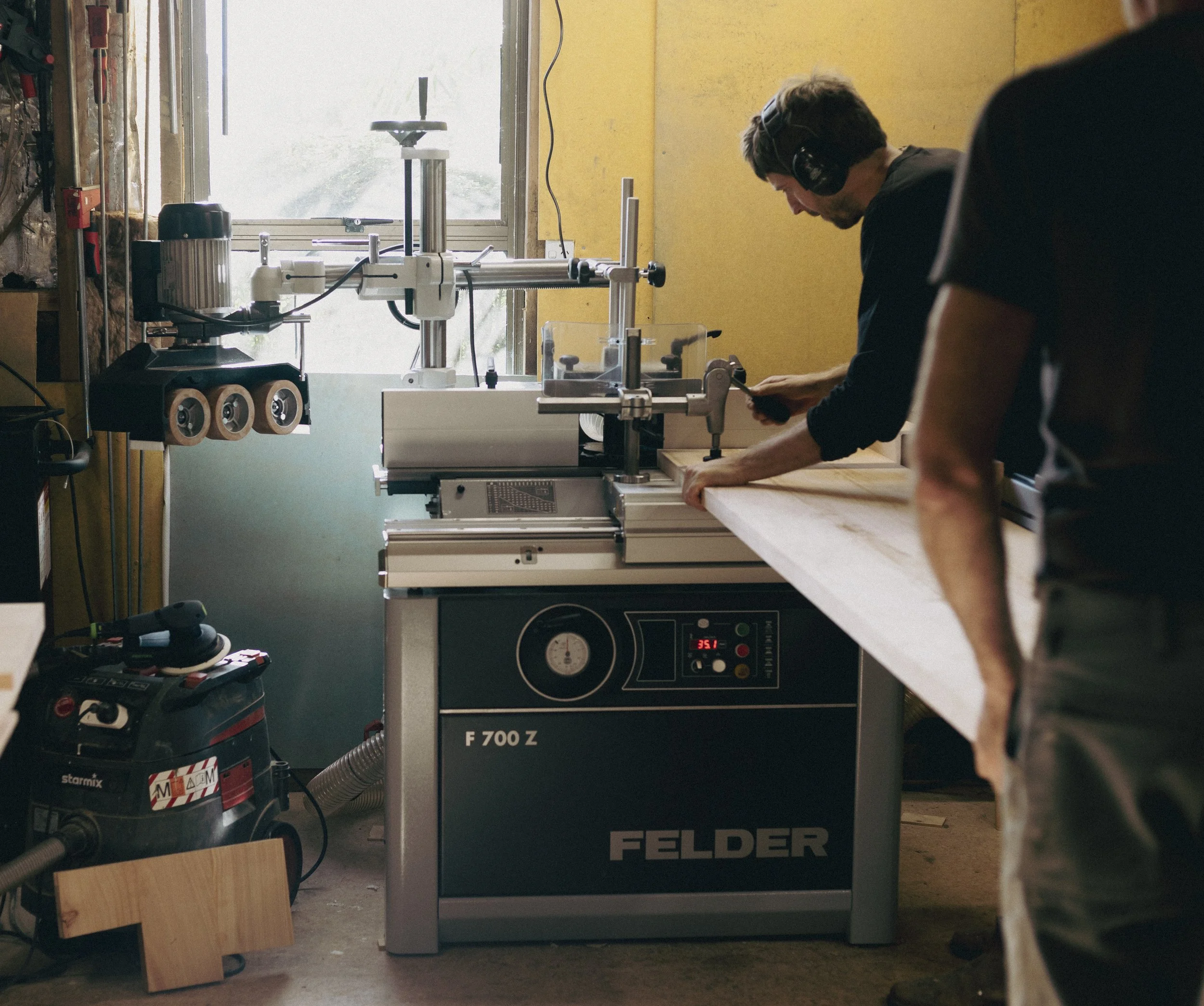
As a small workshop, investments like this don't happen every day. We think carefully before bringing in a new piece of kit, which is why we're especially proud to welcome a new Felder spindle moulder to Nomadic Design.
It's a serious piece of industrial machinery and one that represents a significant step forward for our workshop.
At its heart, a spindle moulder allows us to shape timber with incredible precision. It can create custom mouldings, profiles, curved components and refined details that would otherwise take many hours to produce by hand. It's the sort of machine that opens up possibilities while still keeping craftsmanship at the centre of the process.
What excites us most is where this machine might take us. There are ideas that have been sitting in sketchbooks and at the back of our minds for years—furniture pieces, timber details and design concepts that we've wanted to explore but haven't always had the right tool for. This investment gives us the opportunity to push a little further, experiment a little more, and continue growing our skills as makers.
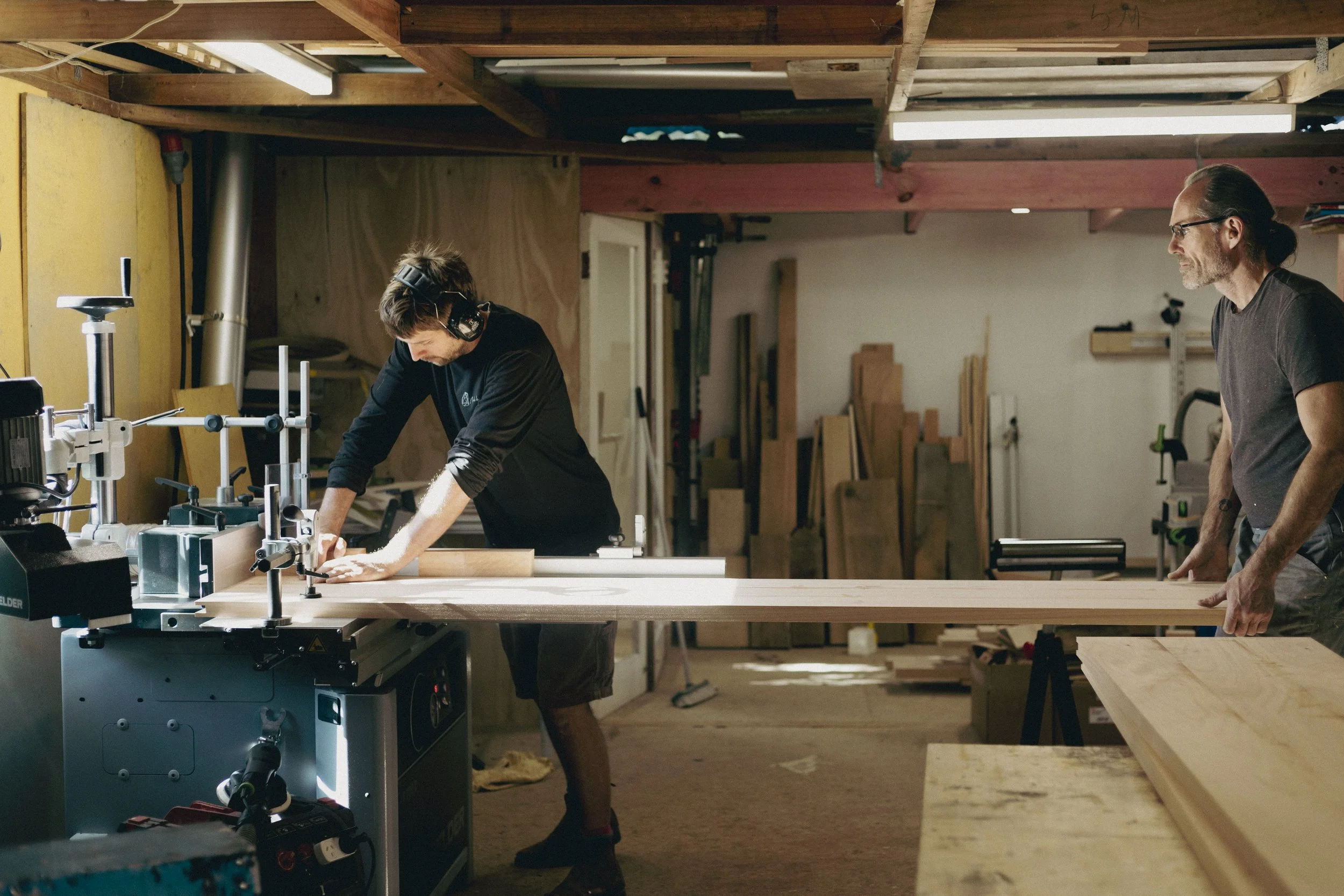
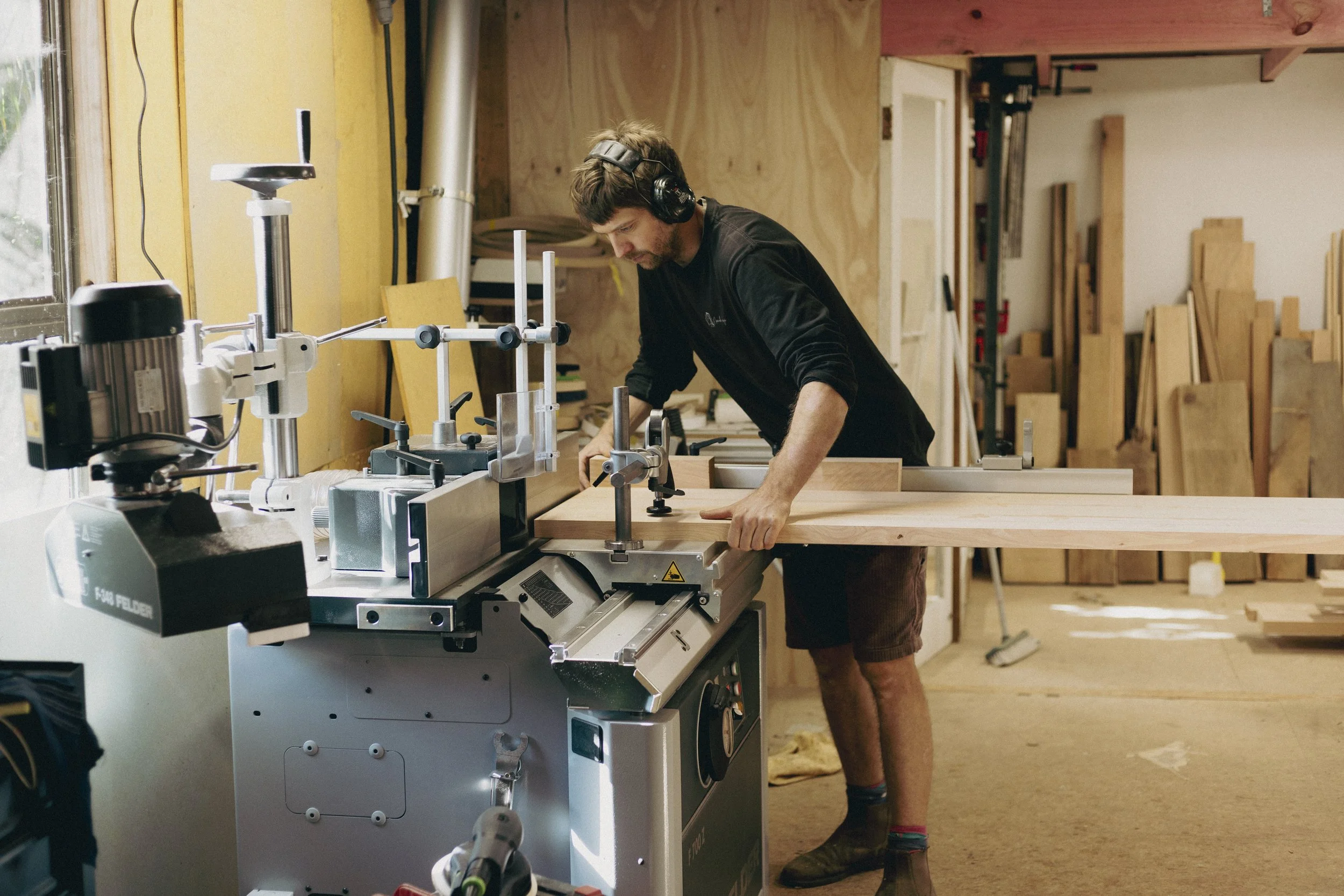
We still love the simplicity of well-made cabinetry and timeless design. That won't change. But having this machine in the workshop means we can bring another level of detail and craftsmanship to future projects when the opportunity arises.
Most of all, we're proud to have it sitting in the workshop. It's an investment in our craft and in the future of Nomadic Design.
We're looking forward to sharing some of the projects that come out of it in the months ahead.
Thanks for following along on the journey.
01 May
CHOOSING MATERIALS THAT LAST
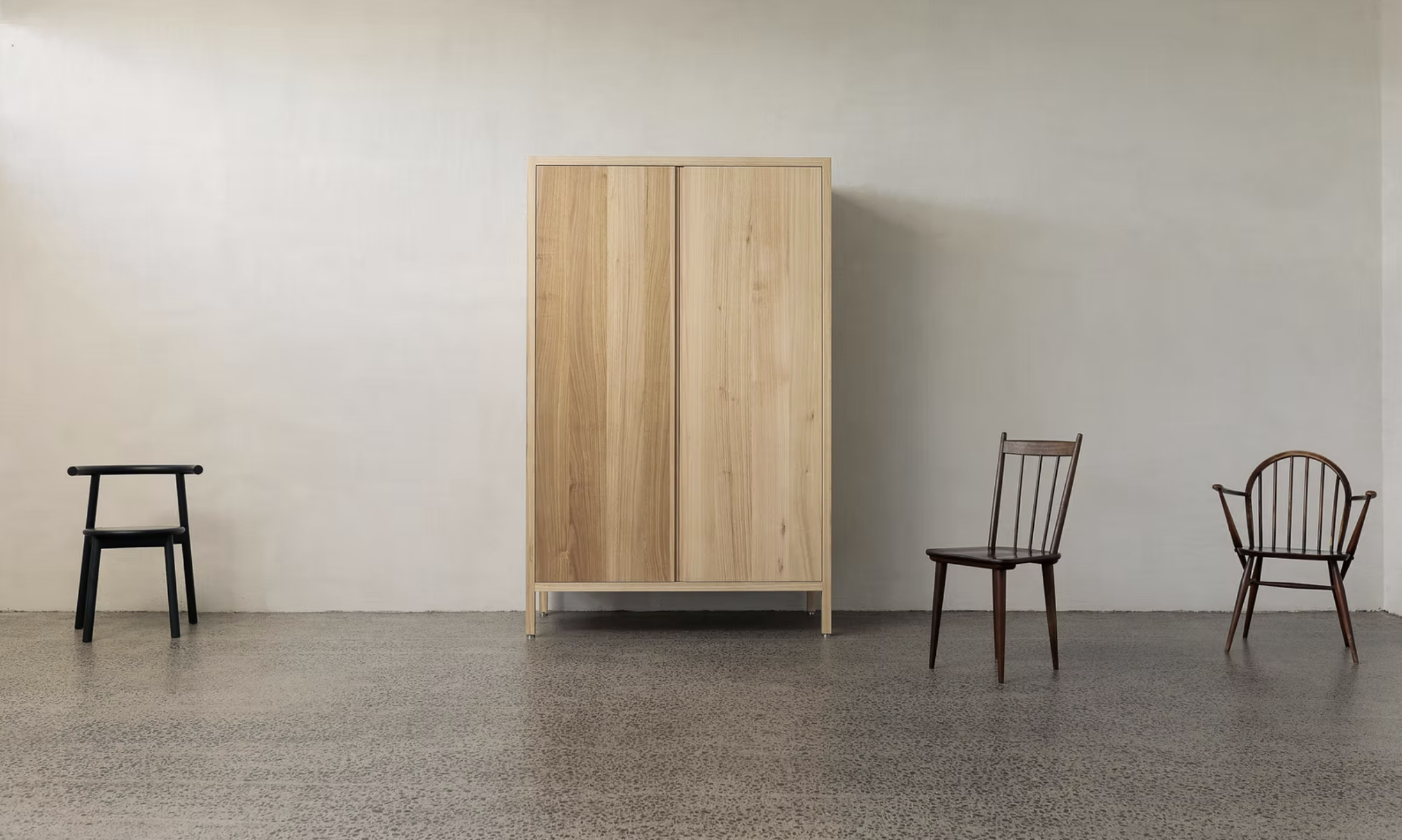
There’s a lot of noise in the world of kitchens and interiors - new finishes, new colours, new “must-have” materials every year.
For us, good design starts with the material itself. How it behaves, how it ages, and whether it can keep being worked with long after it’s been installed.
We’re often asked why we don’t use MDF. The honest answer is that it doesn’t fit with how we believe things should be made.
MDF is a highly processed product. It’s held together with synthetic glues, often has a strong chemical smell, and doesn’t respond well to moisture. Once it gets wet, it swells, weakens, and in most cases can’t be repaired - it simply breaks down and needs replacing.
Solid timber behaves very differently. It expands and contracts, shows grain, marks, and movement - and that’s part of its strength. Timber can get wet, dry out, be repaired, repainted, sanded back, and brought back to life again and again. Scratches don’t spell the end; they become part of the story. With care, it can last generations.
In our workshop, we work with the timber rather than trying to force it to act against its nature
A kitchen or piece of furniture can look beautiful in a sample box - especially when paired with glossy finishes and clever presentation - but that doesn’t always translate to how it performs over time. We’ve seen plenty of materials that photograph well but don’t age well.
Our question is always the same: How will this feel in 20 years?
Will it still function properly? Can it be repaired rather than replaced? Will it still feel good to live with day in, day out?
What we wish clients knew before commissioning a piece:
When you commission something to be made, many of the most important decisions sit beneath the surface. The materials you don’t immediately see - the structure, the carcass, the joinery, have the biggest influence on how a kitchen or piece of furniture performs over time.
These choices affect how well it handles moisture, movement, wear, and daily use. Natural materials tend to age with grace. Synthetic ones often don’t. Once they fail, replacement is usually the only option.
Choosing solid timber isn’t about nostalgia. It’s about choosing materials that can be repaired, renewed, and lived with for the long term.
Working directly with makers means fewer layers, fewer mark-ups, and clearer conversations. You get to understand how something is made, what it’s made from, and why certain decisions are taken.
There’s no factory script. Each piece is talked through - how the timber will move, how joints will settle, how the piece will live in your home.
It also means supporting the people who are actually building the thing you’ll use every day.
We prefer to make fewer things, properly, using materials we trust and methods we know will stand the test of time.
01 April
A QUIET UPDATE
This month feels a little different to write.
It’s been a hard season for our family. We’ve had to move through some loss and navigate a time that’s asked a lot of us, quietly and behind the scenes. It’s not something we’ll go into here, but it has shifted things in a way that only these moments can.
At the same time, we’ve also welcomed our baby girl into the world.
Holding both of those things at once has been a lot — joy and heaviness, side by side. It’s changed the pace of our days, and the way we’re moving through them.
The workshop is still going, just a little more gently for now. We’re still designing and building, still showing up for our clients, but with a deeper awareness of what really matters and how we spend our time.
In some ways, it’s brought us back to the core of why we do what we do. Slowing things down. Paying attention. Building things properly, with care.
We’re finding our footing again — as a family, and within the business — and we appreciate your patience and support while we do.
01 March
TABLES THAT TELL A STORY
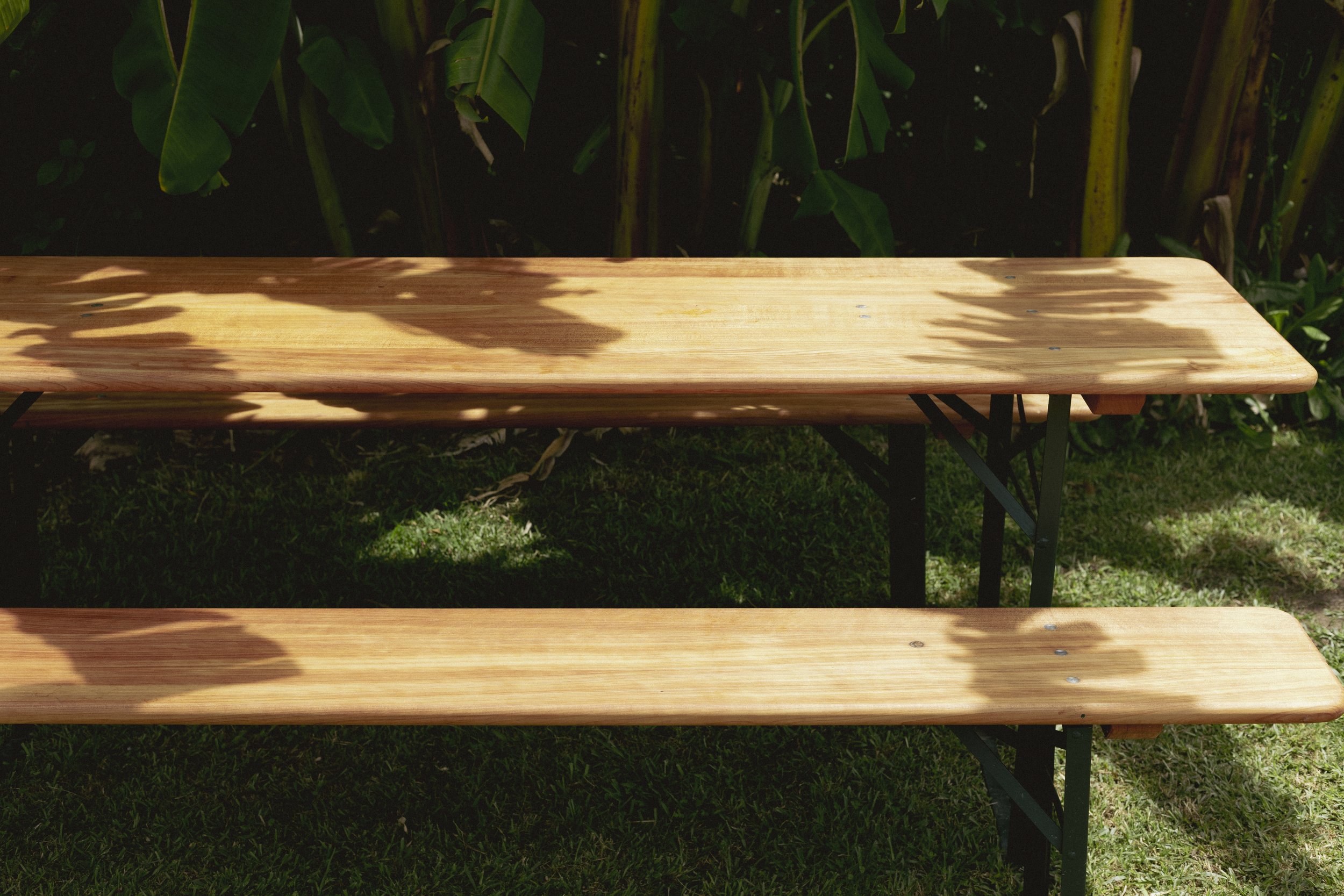
There’s something special about certain pieces of furniture — not just for how they look or feel, but for the stories they carry and the memories they help create. For us this March, we’re celebrating one such piece: the Bavarian beer table that Momo made, a project that brings together tradition, craftsmanship, and family.
Bringing a Piece of Bavaria Home
Momo, who moved here from Germany in 2016, has always carried a strong connection to his Bavarian roots. Recently, we brought back the parts for an authentic beer table from Germany, and Momo set to work building it when we got home. The result is not just a sturdy, functional table, but a living connection to his culture, right here in our home in New Zealand.
Beer tables - or Biertischgarnitur as they’re called in Bavaria - are central to the famous Bavarian beer garden (Biergarten) tradition. In the 19th century, Munich brewers created shaded outdoor spaces where locals could enjoy freshly brewed beer, hearty meals, and the company of friends and strangers alike. Long wooden tables with matching benches were set up to foster community, conversation, and celebration.
Designed to be strong, practical, and inviting, these tables allow plenty of people to gather together — perfect for a meal, a toast, or even the occasional spontaneous dance atop the benches.
At Bavarian festivals and beer gardens, these tables aren’t just functional — they’re the stage for memories, laughter, and connection. But beyond the festivals, they represent something universal: gathering around a shared space, enjoying good company, and celebrating life’s simple pleasures.
Watching Momo build our beer table reminded me how furniture can carry stories, culture, and intention. The table now stands as a bridge between his Bavarian heritage and our life here, ready to host family, friends, and all the conversations that come with them.
We’re excited to share this creation with you - a piece that combines tradition, craft, and connection in one table.
Prost!
01 February
THE BEAUTY OF WELL DRIED TIMBER
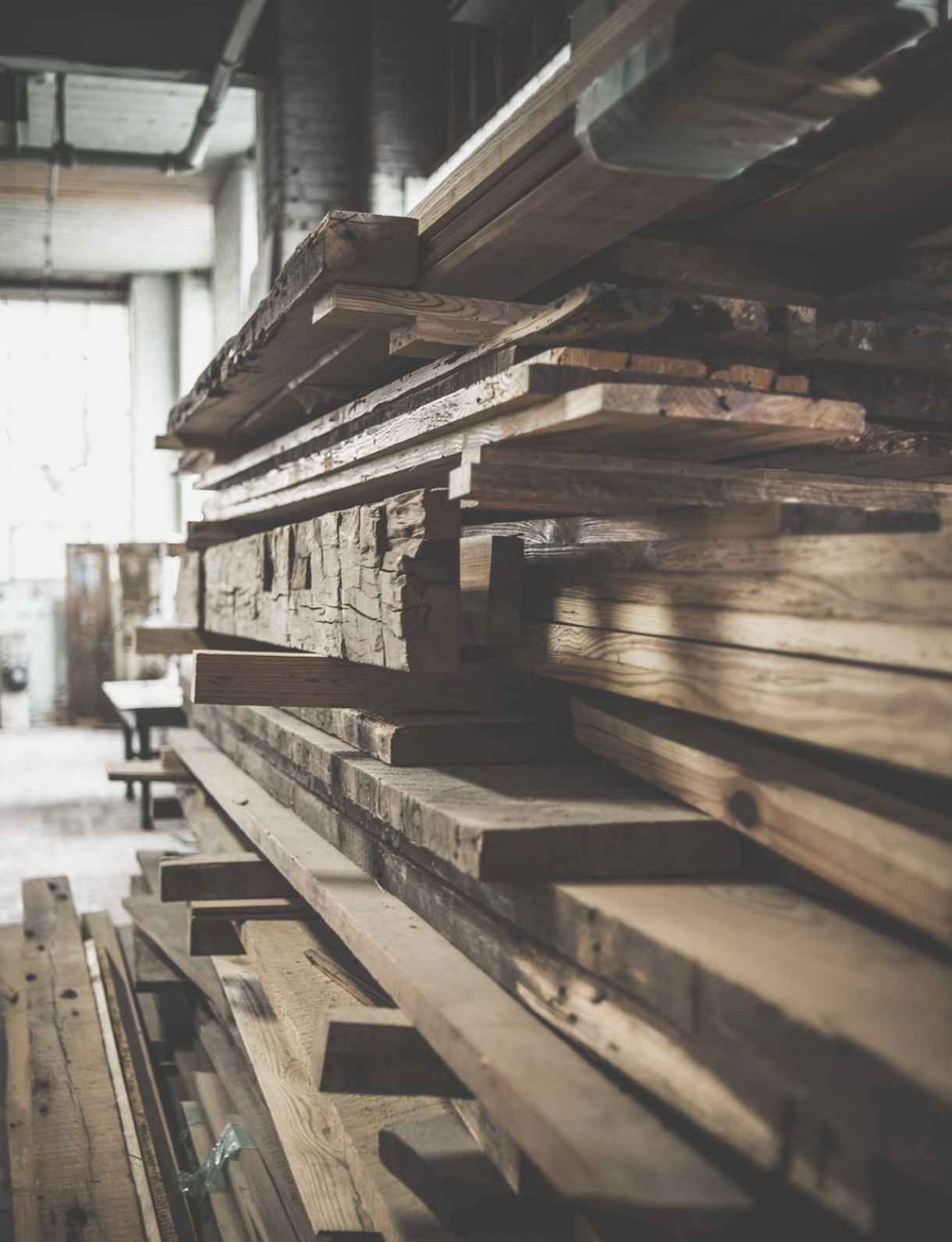
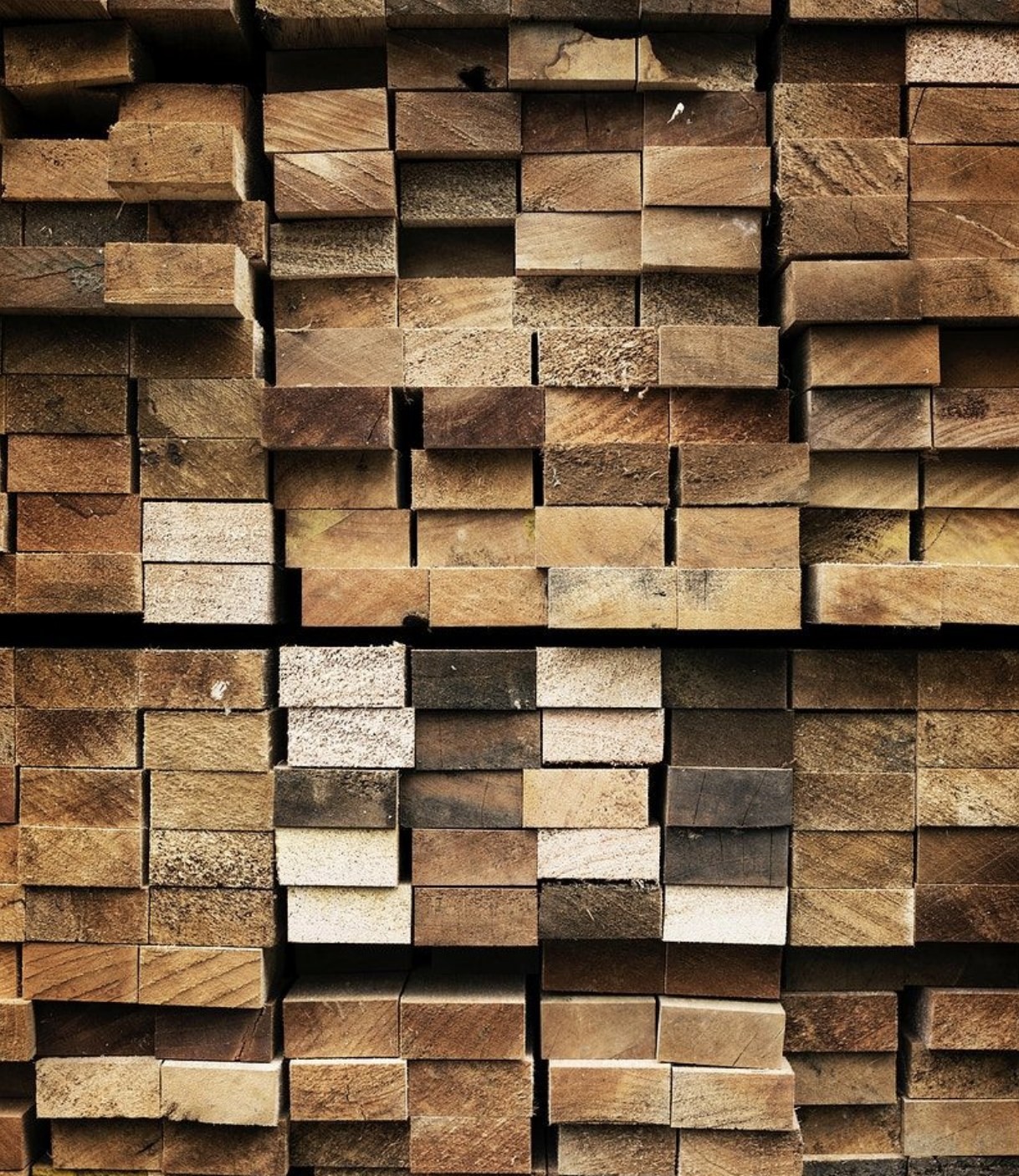
At Nomadic Design, a lot of what we care about happens long before a kitchen or piece of furniture ever takes shape. One of the most important - and often overlooked - parts of the process is timber selection, and more specifically,how that timber has been dried.
Timber is a living material. Even once it’s been milled, it continues to respond to its environment - expanding, contracting, and moving with changes in moisture and temperature. How well that movement is managed comes down largely to patience, quality, and the drying process.
Recently, Momo spent time at Northland Kauri Sawmill, where he selected several beautifully cut slabs that had been carefully kiln dried. Some of the timber was milled directly from trees on the property, then dried slowly and properly before being cut to size. You can feel the difference straight away - timber that has been given the time it needs is more stable, more predictable, and ultimately far more suitable for fine cabinetry and furniture.
In our experience, timber in New Zealand is often rushed. That’s not a criticism of the industry as a whole — it’s more a reflection of demand, timelines, and scale. Over the years, we’ve received timber that arrived already stressed: warped, split, or prone to excessive movement. That kind of material can be challenging to work with and, over time, can compromise the longevity of a finished piece.
Momo trained and qualified as a cabinet maker in Bavaria, Germany, where the culture around timber is notably patient. Traditionally, wood is air-dried for long periods before kiln drying is even considered. The goal is stability first, speed second. That mindset - that quality is built over time - is something we’ve carried into our work here.
Proper drying reduces internal tension in the timber. It allows the wood to settle, to become more dimensionally stable, and to behave in a way that’s predictable once it’s installed in someone’s home. For cabinetry, where precision matters and movement can affect doors, drawers, and joinery, this makes an enormous difference.
When we choose well-dried, high-quality timber, we’re investing in the long term. It means cabinetry that ages gracefully, furniture that holds its shape, and pieces that feel solid and considered years down the track. It also allows us to work more honestly with the material - celebrating its grain, character, and natural variation without fighting against it.
That’s why sourcing, drying, and patience matter so much to us. They’re quiet parts of the process, rarely seen, but they underpin everything we make.
As always, we’re grateful to work with local suppliers like Northland Kauri Sawmill who share this respect for timber and the time it deserves.
If you’re planning a project and curious about the materials we use, or simply want to talk through what’s possible, we’re always happy to have a conversation. We love talking materials and sharing the process.
01 January
A PARTNERSHIP CLOSE TO OUR HEARTS
Kia ora friends — and happy new year.
As we ease into a new year, we wanted to share a story that’s been part of Nomadic Design for some time — our connection with Casett.
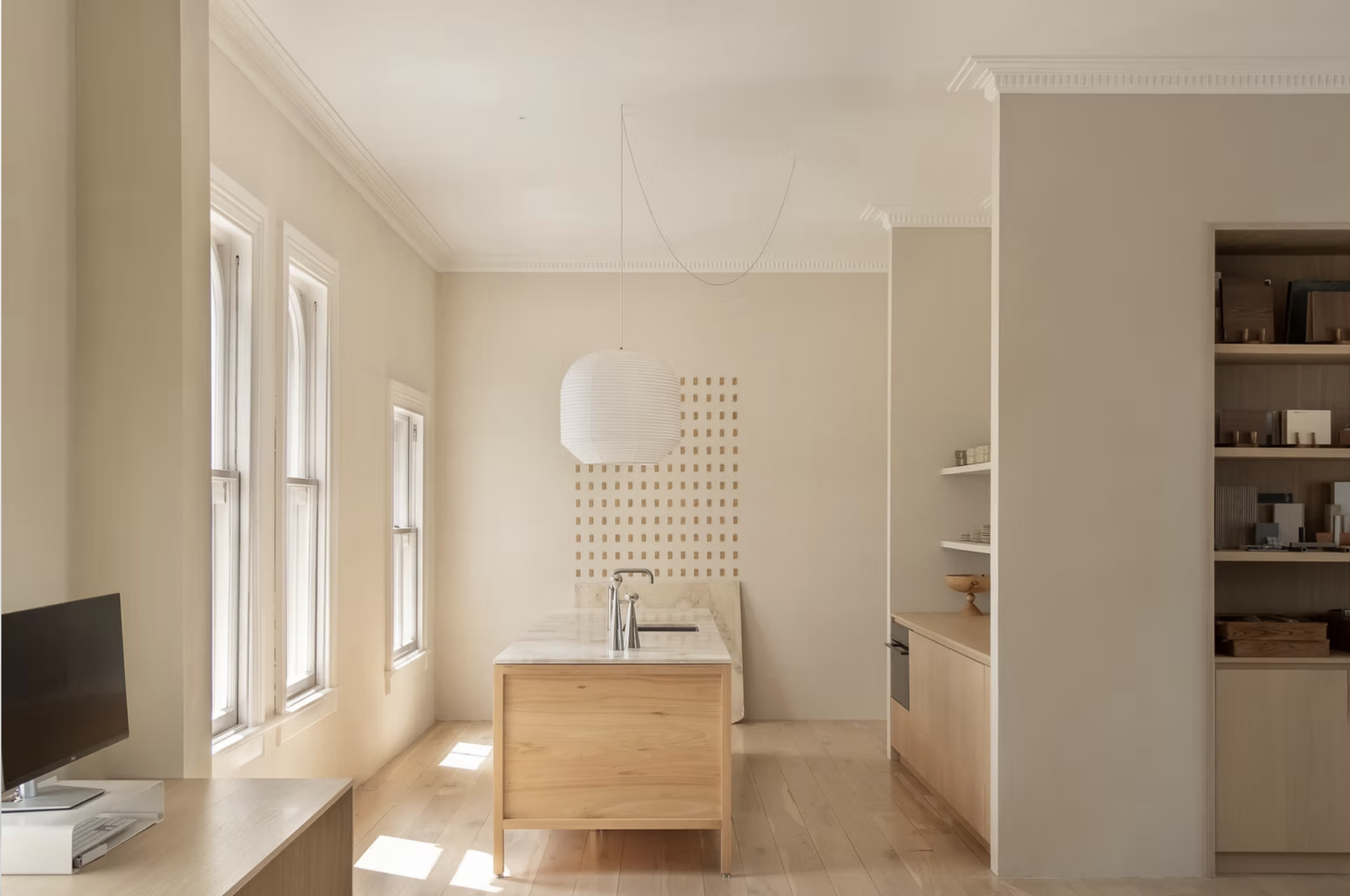
Back in 2022, we were part of Casett right from the beginning. It started as a small, thoughtful startup with a big idea: to create modular kitchens that were beautifully designed, sustainably made, and genuinely New Zealand-built. We came on as co-founders, bringing our background in cabinet making and technical woodworking — helping shape how the modules were designed, constructed, and manufactured.
It was an exciting chapter. We believed deeply in the concept (and still do). But as Nomadic Design continued to grow — and as family life asked for more of us — we made the decision to step away from Casett day-to-day, so we could focus on our own studio and protect time at home.
What’s special is that the relationship never really ended.
Today, we still manufacture high-end modules for Casett, and every time one of their projects comes through the workshop, it feels good. Good to see the product evolving. Good to collaborate with people who care. And good to be part of something that’s doing things properly.
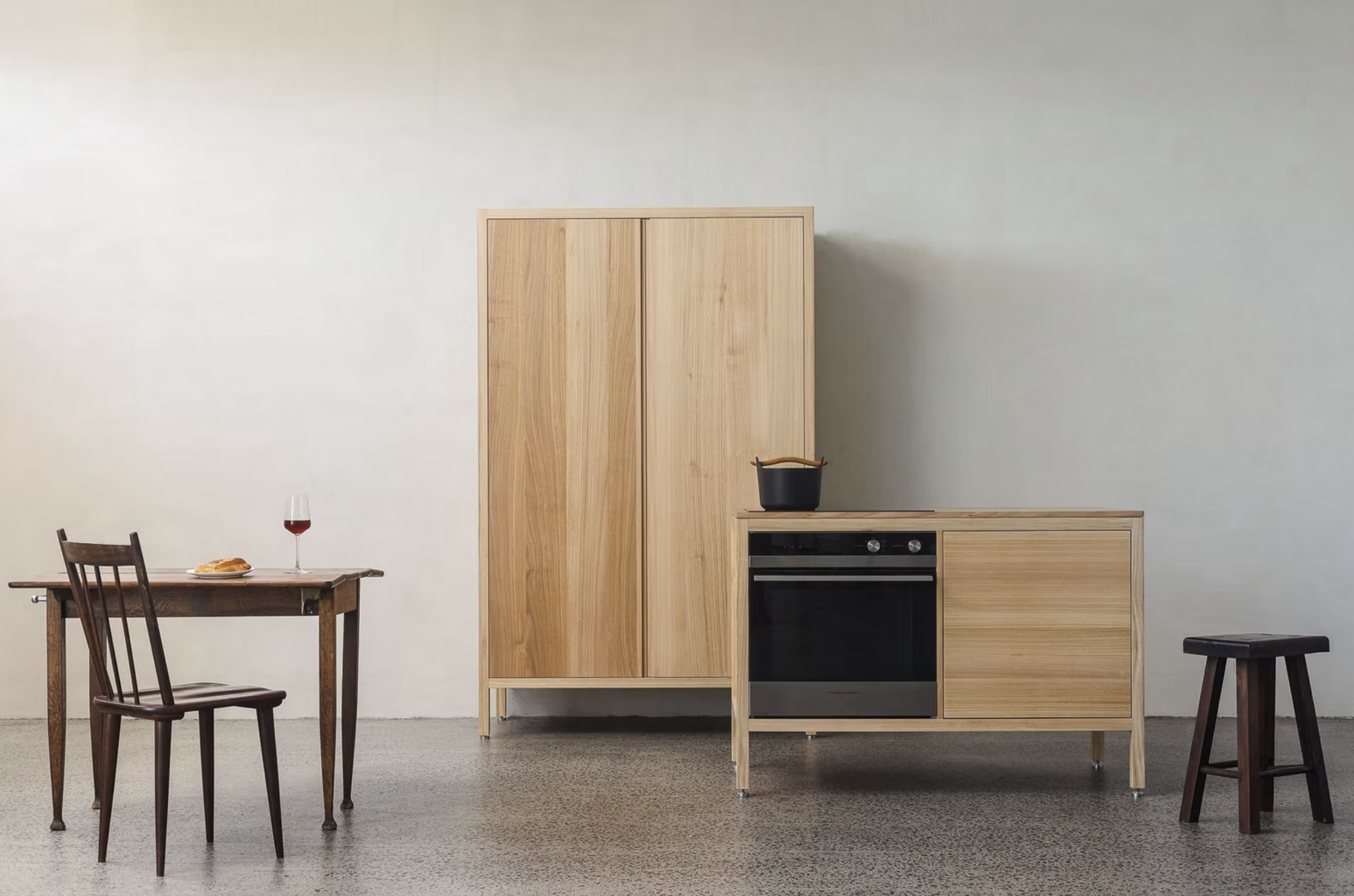
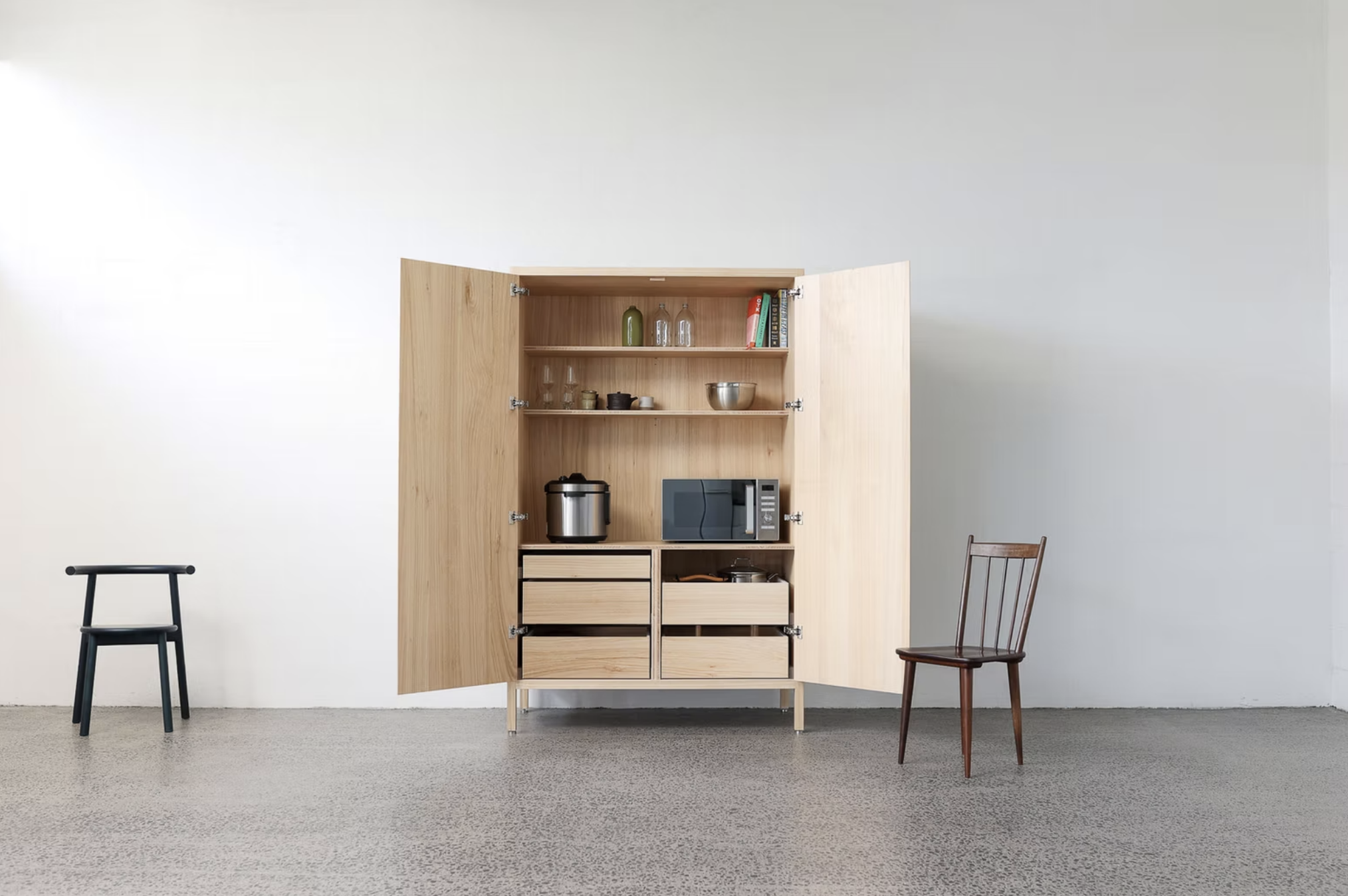
One of the things we’ve always appreciated about Casett is the way they think about kitchens — smart, simple and sustainable. Their modular timber system is designed and made here in Aotearoa, with an emphasis on solid wood, durable materials, and local manufacturing that avoids cheap or toxic products. That attention to thoughtful detail and commitment to local craft fits really well with how we approach our own work, which is part of why collaborating with them continues to feel meaningful.
Working alongside Patrick has been a real highlight — his clarity, passion, and thorough approach to each project shows in the way clients are supported from start to finish. There’s a shared respect for craftsmanship, detail, and thoughtful design, which makes the collaboration easy and genuinely enjoyable.
Casett remains a company we’re proud to be connected to. Their kitchens sit comfortably alongside our own ethos: considered design, honest materials, and furniture that’s made to last. If you’re curious, you can explore their work here: www.casett.co
Thanks for being part of our journey — and for supporting small, local businesses that value quality over quantity.
Here’s to a slower, more intentional year ahead.
01 December
A BIG YEAR FOR OUR LITTLE
WORKSHOP
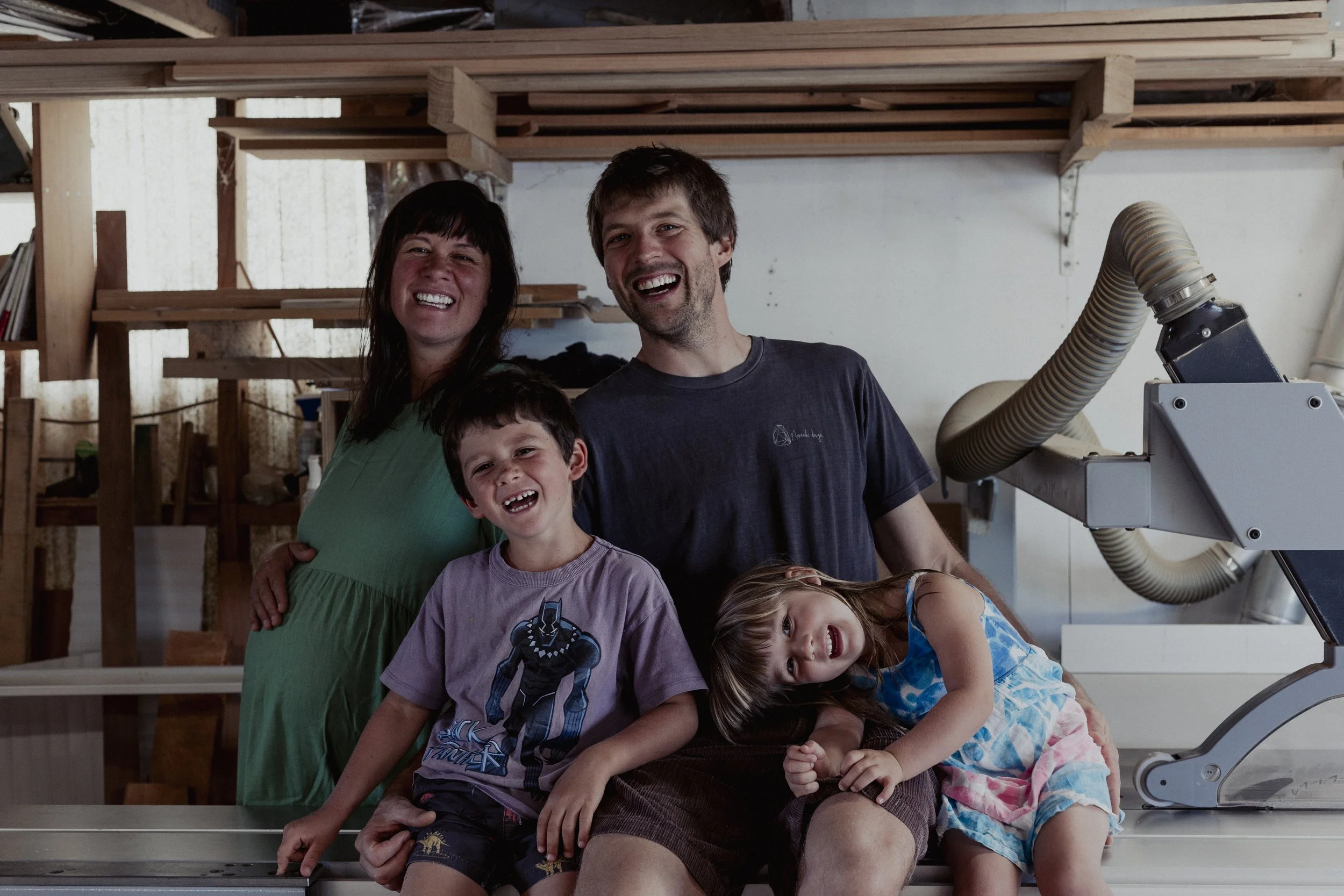
As we approach the end of the year, we want to take a moment to reflect on everything that has shaped Nomadic Design in 2025. It’s been a year full of highs, lows, learning curves, and meaningful milestones — and through it all, we’ve been deeply grateful for the support of our community, clients, and collaborators. Choosing a small, local business truly makes a difference, and your trust allows us to continue crafting thoughtful, intentional work that reflects the values we care about: quality, creativity, and good design made locally.
This has also been one of the most transformative years in our journey. We strengthened relationships and formed new collaborations with talented architects and designers, expanding the creative network that inspires our work. A standout moment was welcoming Niels into the workshop. Originally from the Netherlands, he moved to New Zealand 13 years ago and brings a background in boat building — a craft shaped by his upbringing in a family of passionate sailors. His skill, precision, and calm, thoughtful approach have already made him an invaluable part of our team.
On a personal note, we’re delighted to share that we will be welcoming a baby in the New Year. With both the business and our whānau growing, 2026 promises to be a year full of joy, chaos, and change. We can't wait for the adventure ahead.
To prepare for this exciting chapter, we’ll be taking a short break early in the New Year once the babies arrive. During this time, the workshop will rest, reset, and get ready for a full year of creative work. We are already taking bookings for 2026, and our schedule is steadily filling, so please feel free to get in touch if you’d like to discuss a project for the year ahead.
As we look toward the New Year, we feel excited about the opportunities to come - new projects, new partnerships, and the continued chance to create meaningful work for our clients and community. Thank you again for your ongoing support and belief in Nomadic Design. We’re looking forward to sharing the next chapter with you.
Wishing you a relaxing and joy-filled holiday season
01 November
IN THE LIGHT OF SUMMER
With summer on the horizon and light pouring into the workshop, we’re reminded how much our work is shaped by the season — bright days, open windows, and the steady rhythm of making. At Nomadic Design, each season brings a new palette—not just in timber but in mood, in memory, in how we live. This November, we’ll share a little of what’s been happening behind the scenes, some ideas to carry you into summer, and a moment to reflect on what makes a space truly feel like home.
Behind the workshop door
Over the past few weeks, we’ve been immersed in a beautiful rural project out in Northland: bespoke cabinetry and joinery for a home that honours simplicity, timber, and generous windows that invite the outdoors in.
It’s been a joy to work with light stone countertops, warm oak finishes, and subtle details. There’s something special about spaces that wear in gently — that hold the rhythm of daily life and only get better with age.
What we’re seeing for summer
With summer coming, we’re thinking about how kitchens and living areas shift. Here are a few simple ideas we’re excited about for homes heading into the warmer months:
Quiet indoor-outdoor transitions – A sliding or bi-fold door in timber framing, opening to the deck, invites the garden in and keeps the lines of living clean and uninterrupted.
Light stone + timber combo – Using a pale stone bench with warm timber cabinetry helps balance cool materials with warmth from joinery.
Floating shelves & open storage – Instead of everything hidden away, a few thoughtfully placed open shelves in oak or birch veneer let everyday objects become part of the design—functional, but beautiful.
Natural light as material – Big windows, skylights (especially in lofted spaces), and thoughtful placement of joinery so the light moves across surfaces through the day.
Details you discover – From soft-closing drawers to handcrafted timber pulls, it’s often the smallest details that bring a quiet sense of home.
If you’re thinking of a renovation (or building fresh) in the coming months, these are the kinds of subtle shifts we love—warm, minimalist, very real.
A focus on what matters
We often speak about design and form, but at the heart of our work is purpose. You might know our story—small workshop, a household, handcrafted details, and a focus on timber and honesty. What gets lost sometimes is why that matters.
When we design a kitchen or a piece of furniture, we’re thinking about how you’ll live in it: how children might lean on the bench, how the light catches the grain in the afternoon, how the drawer opens beneath your hand and quietly supports your routine.
In a world of louder finishes, faster trends, and glossy covers, we choose to lean the other way: toward stillness, honesty, and a slower kind of beauty
01 October
DRIFTLINE: WHERE IMPERFECTION SHAPES DESIGN

At Nomadic Design, we often speak about the dialogue between maker and material - the back-and-forth that shapes every piece we create. Sometimes, that conversation leads to unexpected detours.
Drift Line is one such piece.
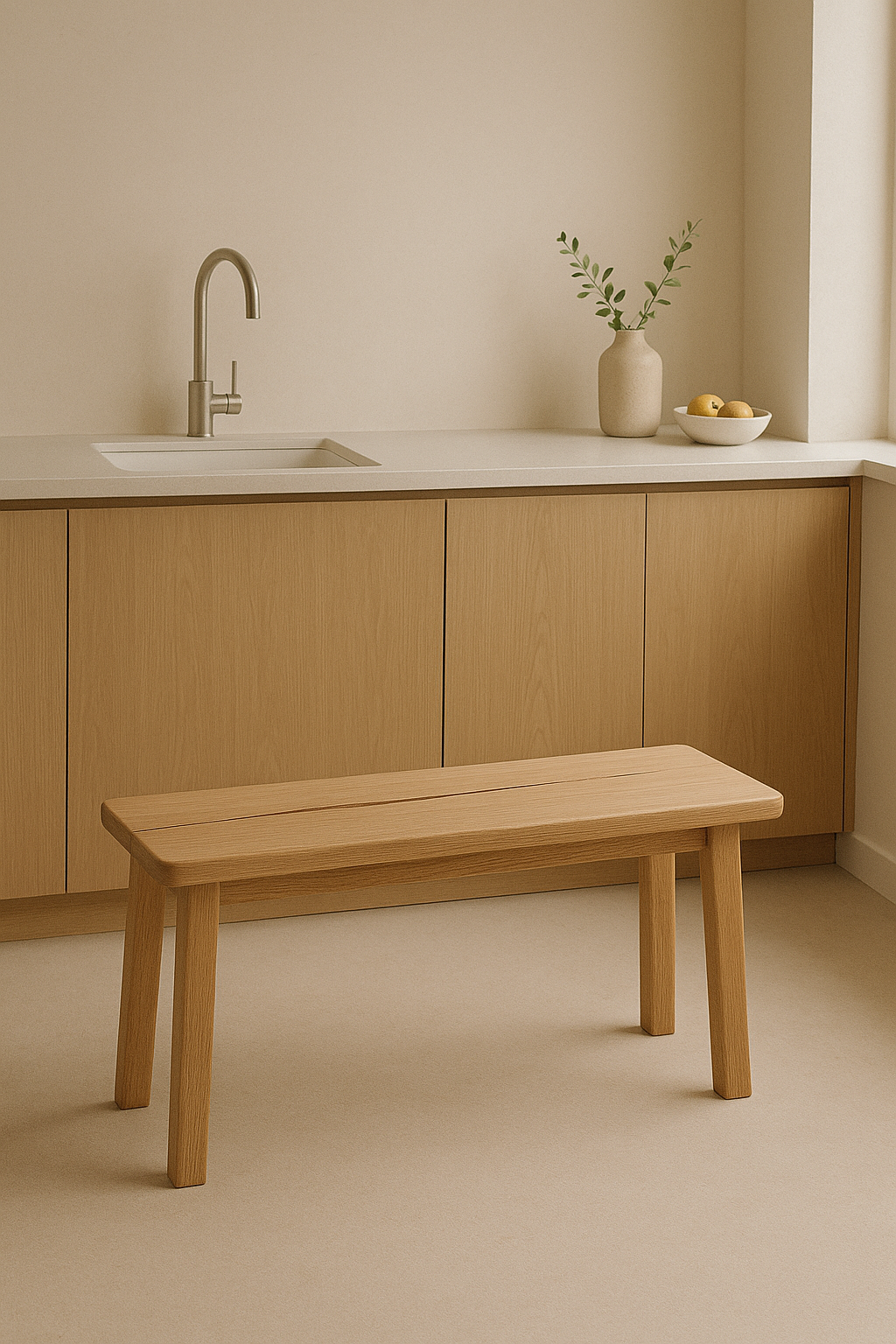
The Unexpected Split. We began this bench for a client with a clear vision: clean lines, thoughtful proportions, and a seat that would invite presence and pause. But as we laid out the timber, the central rail revealed a subtle split — a fine fracture running down its length.
It wasn’t catastrophic. It wasn’t ugly. But it disrupted the plan.
For many makers, a split like this might mean starting over, replacing the timber, or carefully repairing and concealing the flaw. But we decided to let the bench speak for itself.
Embracing the Drift. Instead of erasing the split, we leaned into it.
We reworked the bench’s underside to accommodate a slight shift in structure, added a delicate inlay of darker timber that traces and celebrates the crack, allowed a gentle curve to form across the seat, responding to the wood’s natural tension rather than forcing it flat
The bench’s line no longer follows the blueprint - it follows the timber’s drift.
Why This Matters. In a world obsessed with perfection, the Drift Line bench is a reminder that sometimes the imperfections are the most compelling part of the story.
By responding to the timber’s natural quirks, we create a piece that feels alive. It invites curiosity, questions, and even a little surprise.
It’s also a quiet rebellion against the idea that design must be flawless to be valuable.
Design as Conversation. This approach requires patience and attentiveness. It means listening closely to the material -recognising when it wants to push back, shift, or resist.
Design becomes less about imposing control and more about collaboration: between craftsman and wood, intention and accident, plan and drift.
Drift Line Today
The bench is still settling in, still evolving with its surroundings. We’re documenting its journey — the subtle changes, the way light catches its curves, how the inlay catches the eye.
This is design as an unfolding story, not a closed chapter.
What’s Next?
We hope Drift Line sparks new conversations about imperfection and possibility.
If you’re curious about working in this way - letting your space or furniture tell its own story - get in touch. We’re opening a few spots for exploratory consultations in the New Year, 2026
Thanks for following along. Sometimes, the best designs are the ones still drifting.
Ngā mihi nui,
The Nomadic Team
hello@nomadicdesign.co.nz
+64278006690
01 September
WHAT’S ON THE BENCH?

At the moment, the bench is holding a bit of everything:
A set of hand-drawn measurements for a job that’s just getting started. A clamp half-tightened. Drill bits scattered near the edge. A few tools mid-task, waiting to be picked up again. And a coffee that’s gone cold, but still sitting there.
It’s a snapshot of the kind of week we’re having - full days, projects in motion, and a steady rhythm of hands-on work. We’re right in the thick of it: kitchens coming together, furniture builds underway, and new plans starting to take shape. Things are busy, but focused.
In between it all, I keep coming back to the details - those small choices that define true craftsmanship. How a kitchen layout can flow naturally with the way people live, or how the shape of a drawer handle changes the way it feels in your hand. These details might go unnoticed at first, but over time, they’re what make a home feel effortless and right.
As I move between projects, I’m reminded that craftsmanship is found in the little things - the smooth glide of a drawer, the precision of a joint that fits perfectly. It’s more than just skill; it’s about creating pieces that feel alive and telling their own story
Right now, there’s plenty of maple timber waiting for attention. It’s a beautiful wood - dense, clean, and warm in a way that’s hard to put into words but easy to appreciate. We’re using it for shaker-style doors and drawer fronts in an upcoming sustainable kitchen build, designed to withstand daily life with ease. This project is for clients who value quality over quantity.
We’re also finishing a few projects that are heading out soon, which always brings a mix of satisfaction and a little sadness. Each piece is its own story, made with care and purpose, and it’s always a privilege to see them go into homes where they’ll be part of people’s daily lives.
If you’ve been thinking about a kitchen or furniture project, now’s a great time to get in touch. We’re taking bookings into the coming months, and I’d love to hear about what you’re imagining. Whether it’s something big or small, a custom piece that fits just right, or a rethink of your kitchen’s layout - let’s start the conversation.
Thanks for reading, and for being part of this journey with us.
The Nomadic Design Team
hello@nomadicdesign.co.nz
+64278006690
01 August
KITCHEN STORIES: THE HEART OF THE HOME

KITCHENS MADE FOR WINTER
There’s something about winter that pulls everyone into the kitchen. The kettle is just boiled, the bench is full of warm mugs, and the house smells like whatever’s in the oven. For me, the kitchen is where the day’s stories happen - it’s messy, it’s honest, and it’s full of small moments that matter.
At Nomadic Design we try to design kitchens that don’t just run well - they feel like home. That doesn’t mean extravagant finishes or a full renovation every season. Often it’s the little things, done well, that make the biggest difference.
Below are a few practical ideas I love for making a kitchen truly cosy this winter plus a small story from my own kitchen to prove the point.
DESIGN TIPS FOR A WARMER, WELCOMING KITCHEN
1. Start with warm materials
Timber does the heavy lifting here. Even small touches - an open shelf, a wooden chopping board, or a bench detail - bring a warmth that paint or tile can’t quite match.
2. Layer your lighting
One bright overhead light will never make a kitchen feel snuggly. Try warm-toned pendants above a prep bench, under-cabinet strips for gentle task light, and a small table lamp on a windowsill for that “stay awhile” glow.
3. Texture matters
Woven baskets, linen tea towels, a woolly throw over a stool - texture makes a space feel lived-in and welcoming. It’s the difference between a staged kitchen and one you want to spend time in.
4. Make space for rituals
The cosiest kitchens are full of little rituals: porridge on slow mornings, a jar of spoons for stirring, a favourite mug waiting on the bench. These tell the story of the home and invite people to stay longer.
5. Practical warmth
If you’re planning changes, think about where people naturally gather. A slightly deeper bench for leaning, an in-cabinet drawer for winter linens, or a handmade wooden cutlery insert can make small but meaningful improvements.
A quick story from my kitchen (real life, messy, slightly floury)
Last Saturday I was in the workshop with Momo, finishing up a cabinet - sawdust in the air, that quiet rhythm you get when things are nearly done. Just as we were packing up, Moss ran in from the kitchen - flour on his hands, eyes lit up with excitement. He’d already pulled out the jar and was ready to go.
We followed him in, dusted off the bench, and spent the next half hour making scones - no recipe, just rhythm and laughter. The oven warmed the house, Moss stole one straight from the tray, and for a little while, the workshop, the kitchen, and the whole house felt like one cosy, connected space.
That’s the point: the best kitchens hold moments like that. They’re simple, a bit imperfect, and full of warmth.

If a cosier kitchen has been on your mind - maybe just a small tweak, a layout that works better, or a full rethink for the colder months - I’d love to hear what you’re dreaming about.
Just a friendly chat, some practical ideas, and maybe a few stories swapped along the way. I’ve found the best spaces often begin with simple conversations.
If that sounds like something you'd enjoy, send us an email here or click the link below to book a quick, no-pressure call:
👉 Book a 15-minute chat — no pressure
Until then, stay warm, keep the kettle close, and may your kitchen be full of good smells and good company.
The Nomadic Design Team
www.nomadicdesign.co.nz
+64 278006690
01 JULY
THE STORY OF NOMADIC DESIGN

HUMBLE BEGINNINGS
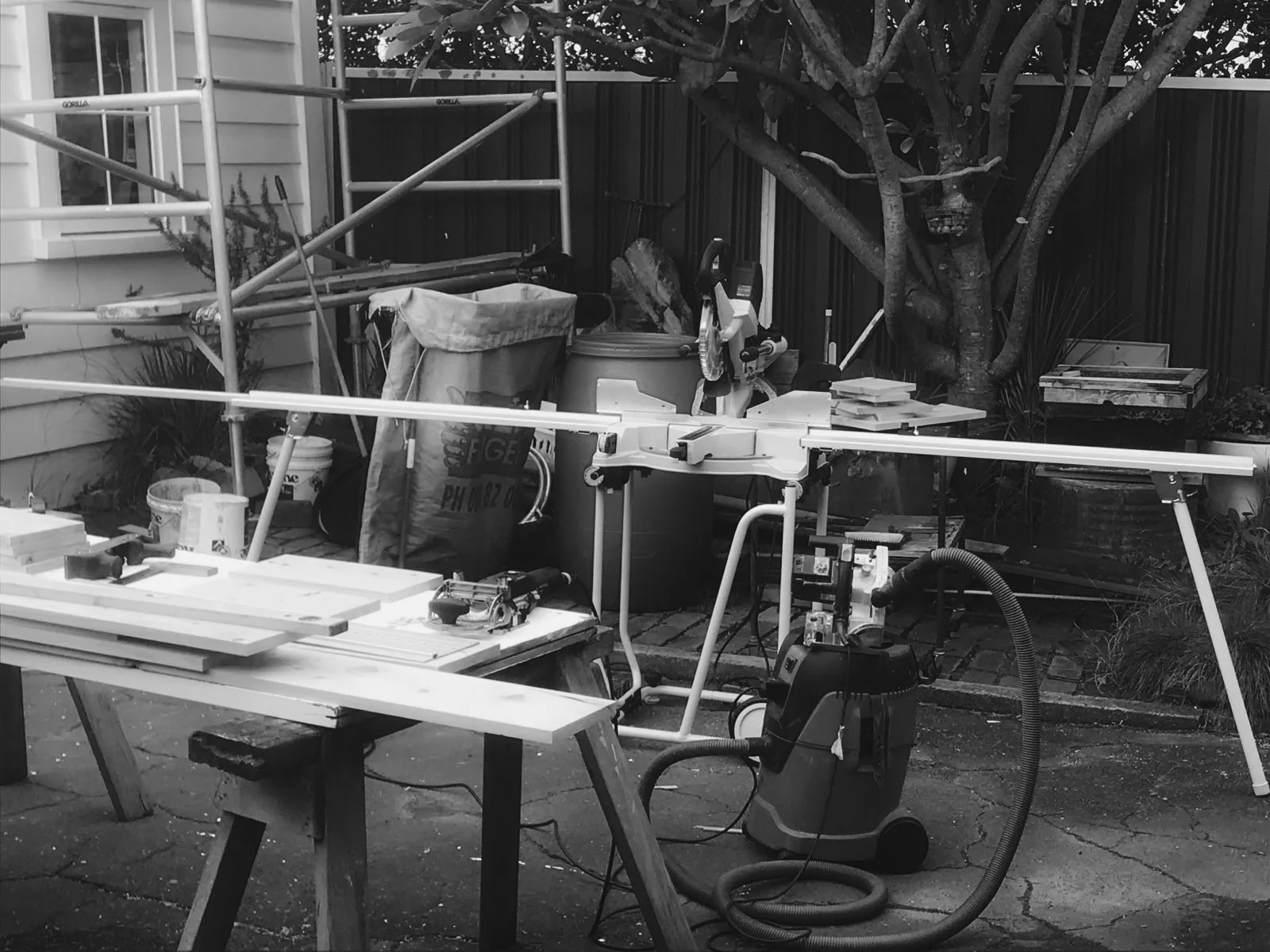
Nomadic Design began in the most humble of spaces - a small shed in the backyard of our home in suburban Auckland. With just a handful of basic tools and a big vision, we poured ourselves into our first major project: a $70,000 custom kitchen.
We still laugh when we think about what we managed to pull off in those early days. There was no fancy machinery - we had a gazebo for projects that needed more space and acted as a protection from the rain, a drop saw, a rail saw, hand tools, determination and a strong desire to build something meaningful. It’s a little wild looking back at what came out of that simple setup but that’s where Nomadic Design truly began.
In 2017, Momo (Moritz) moved from Germany to New Zealand. With a Bachelor of Fine Arts in Cabinet Making and Custom Woodworking, years of hands-on experience, and a love for well-crafted design, he was ready to bring something special to this new part of the world. Not long after, we started growing our family and our business side by side - a balancing act many small business owners know well.
By 2020, we’d taken a leap and moved to the far North, chasing a long-held dream: to live and work on the same piece of land. In 2021, that dream became real when we found our home and space for a proper workshop.
Today, our workshop sits just steps from our front door, surrounded by trees, fresh air, and the joyful chaos of our two kids, Moss (5) and Nellie (2). What started as a modest backyard shed has grown into a fully equipped space with high-end machinery.

A LIFE BUILT TOGETHER
Family is central to how we live and work. It’s not just about having the workshop at home, it’s about making spaces that suit everyday life. We build things that are meant to be lived in, with all the mess, noise, and routines that come with family life. Spaces that last, and feel right.
Nomadic Design is just the two of us. Momo handles all the cabinetmaking and technical work, and is involved in every stage, from the first design conversations through to the final install. I take care of the creative side: design, photography, marketing, and keeping everything organised behind the scenes.
Balancing work with raising our two young kids means our days are full and busy, but there’s a clear structure that helps us stay focused and get the job done. It’s this balance of family and work that shapes how we approach every project -with patience, flexibility, and genuine care for the homes we help create.
We’re truly thankful for the support we’ve received along the way. It means a lot to us to be able to do this work as a family, and we’re excited to keep growing and creating together.

01 JUNE

SHAPING THE HEAT: THE FINNISH SAUNA BUILD
Hello from the Nomadic workshop!
As the days grow shorter and the air turns crisp, we find ourselves leaning into the season - layering up, lighting fires, and slowing down in step with winter’s quieter pace. There’s something deeply grounding about this time of year. It invites reflection, re-connection, and the kind of thoughtful making that we hold dear here at Nomadic Design.
Sauna Season is Here
This month, we’ve been immersed in a particularly exciting project: designing and building a traditional Finnish sauna. Built from 2x2 tongue and groove macrocarpa, it features a solid glass front, a frameless 8mm tempered glass door, and is brought to life by a Roaring Meg fireplace — the kind that turns cold evenings into sacred rituals. We’ll be sure to keep you updated as the project progresses and we can’t wait to share the finished result.
“There’s nothing quite like stepping from the cold into the calm, cedar-scented heat of a sauna — the crackle of the fire, the hush of steam, and the world slowing down for a moment.”


From Hand to Digital: A New Era of Design
While our roots will always be in the handmade, we’re stepping into a new chapter with our design process. Our talented team has been hard at work learning digital tools to bring our planning and drawings into full 2D and 3D. This means more precision, better visualisation, and clearer communication with you as we dream up and deliver your bespoke spaces.
It’s a big shift from our hand-drawn beginnings, but one that allows us to keep our hands in the making, while our ideas move more freely than ever.
A Window to the Wild
In the workshop, we’ve made a small but mighty change: a new, expansive window has been fitted to flood the space with sunlight and frame a view of the native bush beyond. It’s a daily reminder of what inspires us - honest materials, natural light, and the living world outside.
It’s hard not to pause, even mid-sawdust storm, to soak in the beauty out there.
Slowing Down (and Warming Up)
There’s a rhythm to winter that we’re learning to love. The season asks for patience and presence and rewards it with rich cups of coffee, warm wood underfoot, and evenings that arrive early, inviting us to light the fire and rest a little deeper.
In that spirit, we’d love to offer something to help make your winter even more special:
Winter Warmer Offer:
This season, we’re slowing things down - just a little -and letting the details shine. Winter invites a different kind of making. A quieter rhythm. A sharper focus. It’s when we notice the way light falls across the floor, the sound of drawers closing softly, and the small rituals that make a house feel like home.
That’s why we’re introducing something new and a little special for this time of year.
The Winter Edit is a seasonal design feature, handpicked by our team and included in every custom project booked this winter.
Think a hidden drawer tucked seamlessly into a cabinet, a hand-shaped pull or detail in native timber, a secret compartment in a drawer - a moment of surprise and beauty, designed just for you.
It won’t show up on your quote. It won’t be listed in the plans. But it will be there - quietly waiting to be discovered and enjoyed.
How it works:
Book a new project with us between June 1 and July 31 2025
We'll collaborate with you to include a bespoke Winter Edit detail
Each one is unique, designed to suit the space, materials, and the way you live
Because in the depth of winter, it’s the little things that make all the difference.
Thank you, as always, for supporting handcrafted design. We’re so grateful to be doing this work — and to be doing it for people like you.
Warmly,
The Nomadic Design Team
01 MAY
A FRESH PERSPECTIVE ON RURAL DESIGN

Hello from Nomadic Design,
Kia ora, and welcome to our May update!
We’re incredibly proud to share that one of our kitchens and vanities was recently featured in home magazine winning Rural Home of the Year.Set in the heart of the countryside, this space blends modern minimalism with raw beauty - a quiet, thoughtful space that reflects the landscape around it.We designed and built the kitchen, vanities, laundry and shelving for this home, using a restrained palette of natural materials: timber, light-toned stone, and hand-finished joinery. Each piece was made to last to settle into the space, not stand out from it.
Designed by Sam Atcheson of Dorrington Atcheson Architects, with interiors by Roum Studio, this home is a contemporary interpretation of mid-century architecture. Set on a spacious rural site near Whangārei, it features a striking terracotta-red brick exterior that contrasts beautifully with the lush green landscape.
The design incorporates elements reminiscent of the owners' family home from the 1960s, including a flat roof and cedar cladding. A standout feature is the staggered gull-wing roofline, which not only adds visual interest but also enhances the interior's sense of space and light. The exposed greenheart timber beams, sourced locally, further connect the structure to its natural surroundings.
Click on link to find out more https://homemagazine.nz/rural-craft/


In the workshop
Lately we’ve been working with:
Natural oak and soft wax finishes
Shelving that invites openness
Kitchens that make the most of small spaces
Handmade details that bring warmth to modern homes
Whether you're renovating or building from scratch, we’d love to hear what you’re working on. We offer custom design and cabinetry services for kitchens, bathrooms, and fitted cabinetry.